Black-out in Kinderdijk
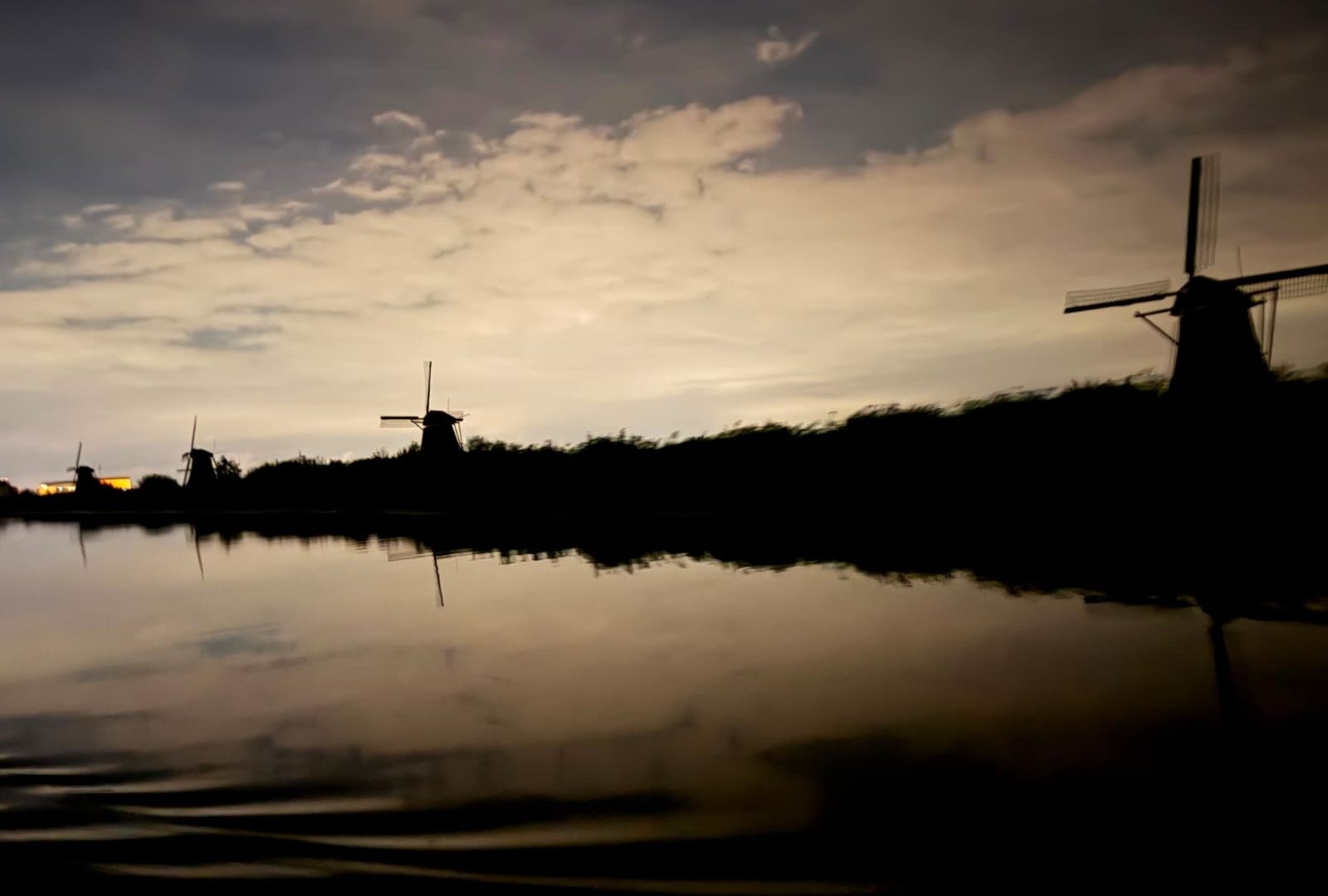
It is pitch dark at Kinderdijk. Lightning strikes, and with a deafening bang, the entire power grid goes down. Within minutes, the modern electric pumping stations grind to a halt, and the water in the polders begins to rise ominously. No pumps. No lights. Panic? Absolutely not. Because at Kinderdijk, this is exactly when a centuries-old lifeline springs into action.
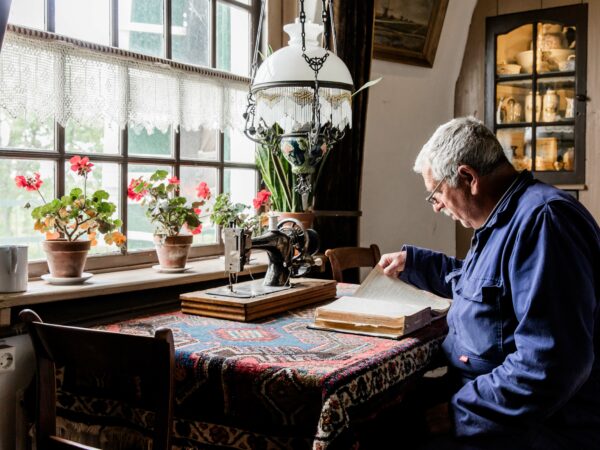
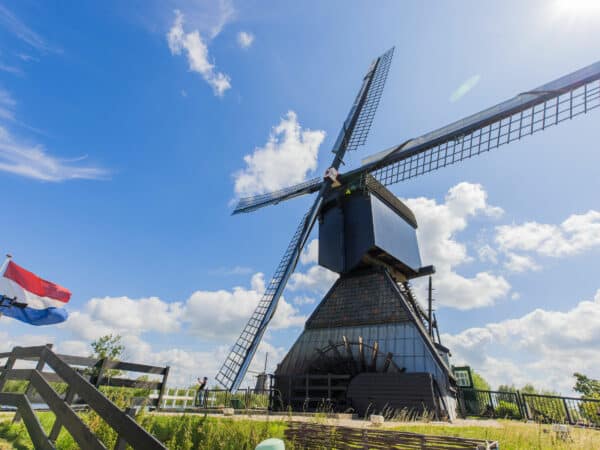
“People often don’t realize it, but our nineteen historic windmills are still in excellent working condition,” says Kim Helbers, curator at Kinderdijk. “If the power goes out, the windmills can take over from the pumping stations!” As curator, Kim explores the stories of Kinderdijk’s miller families every day. While modern technology depends entirely on a functioning power grid, Kinderdijk can fall back on a centuries-old plan B in an emergency, one that has already proven its worth in the past.
Without power, visual emergency signals take over
But what if a major outage also takes down the mobile network? “No problem,” Kim explains. “For centuries, millers have used the position of the sails to send visual signals to one another. The next miller along the canal can immediately see what needs to happen and take action.” There is no WhatsApp or screen to rely on. Instead, the millers read the wind, watch the sky, and rely on their own expertise.
And the idea that these windmills can actually keep the polders dry when modern technology fails is more than just a theory or a good story. This is exactly what happened during World War II. When the German occupying forces requisitioned fuel and the pumping stations came to a standstill, the windmills worked at full capacity to keep local residents’ feet dry. Yet after the war, the entire system came remarkably close to being demolished and disappearing forever. During the difficult years of postwar reconstruction, there was barely enough money for maintenance. The windmills were taken out of service, and newly built pumping stations were expected to take over permanently. Eight windmills were even officially scheduled for demolition.
Then, in the summer of 1951, Queen Juliana visited the polder. What exactly was discussed behind closed doors remains a mystery, but the outcome was historic: the windmills narrowly escaped demolition and were designated as protected monuments.
There’s a reason it’s a UNESCO World Heritage Site
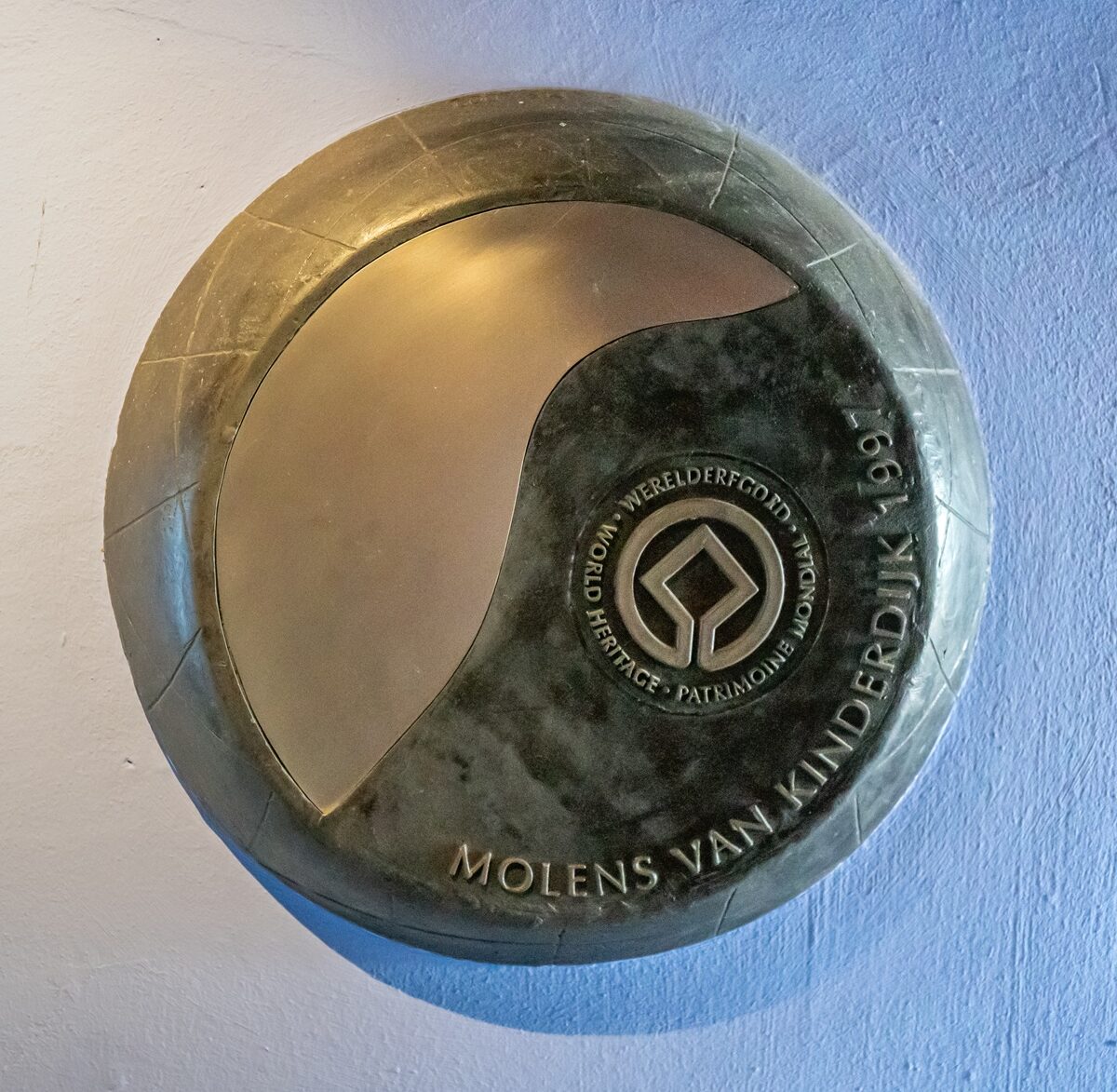
The windmills of Kinderdijk have earned their place on UNESCO’s prestigious World Heritage List. Nowhere else in the world can you experience the complete evolution of Dutch water management, from centuries-old windmills and industrial steam-powered pumping stations to modern electric pumps, all in one place and still in working order.
The wise kung fu master of our water management system
What truly makes Kinderdijk unique is how different eras of water management still work together here every day. Historic windmills, steam-powered pumping stations, and state-of-the-art electric pumps stand side by side, and they all still work. “You won’t find anything like this anywhere else in the world,” Kim says proudly. “In many places, historic windmills have become static museum pieces or have been moved to open-air museums. Ours are still standing in their exact historic locations, surrounded by the original polder landscape, and remain a fully functioning part of the water management system.”
The fact that this centuries-old technology can still step in after hundreds of years commands a great deal of respect. “You could think of our historic windmills as the wise ‘kung fu master’ of our water management system,” Kim explains with a smile. “An ancient master who doesn’t need complicated microchips or power grids, but relies entirely on experience, the laws of nature, and craftsmanship. He knows exactly how to harness the wind and control the water to protect the polder.”
And if the power were ever to go out nationwide for an extended period, those centuries-old masters would make Kinderdijk one of the safest places in the Netherlands. Kim ends with a wink: “So if the power goes out and the water starts rising, Kinderdijk might just be the place you want to be!”
Written by