New sails for the windmill: craftsmanship in preparation
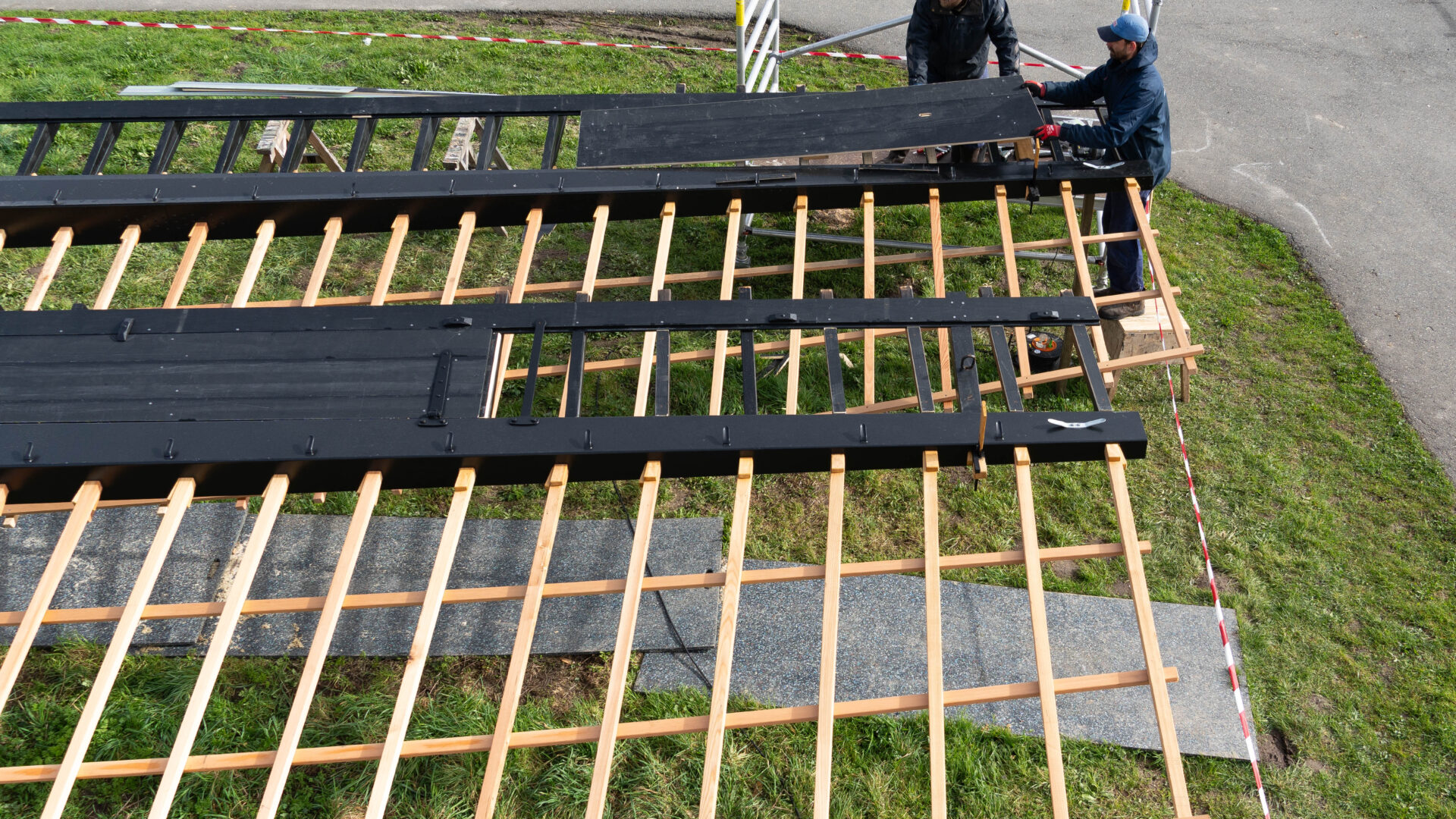
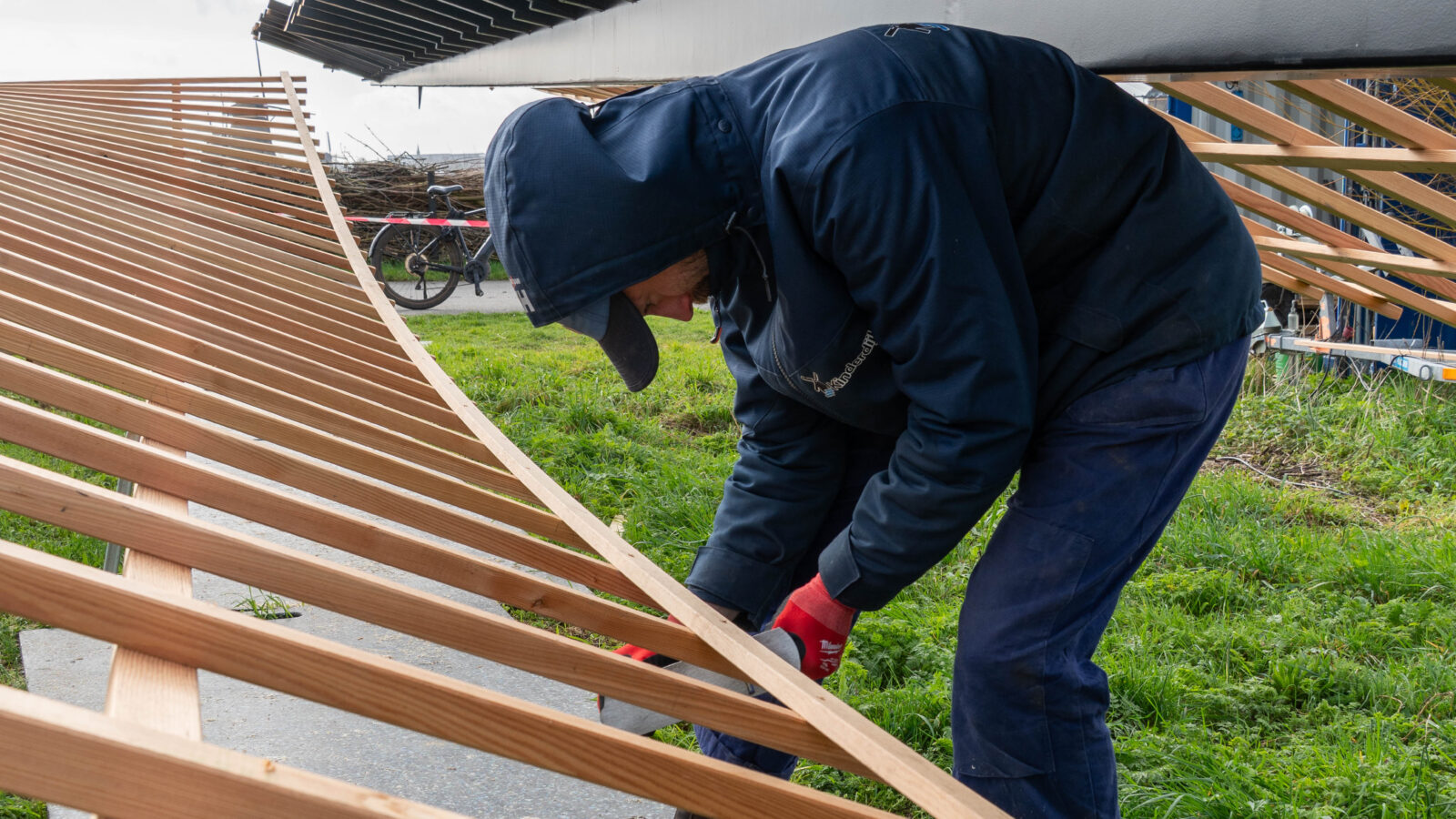
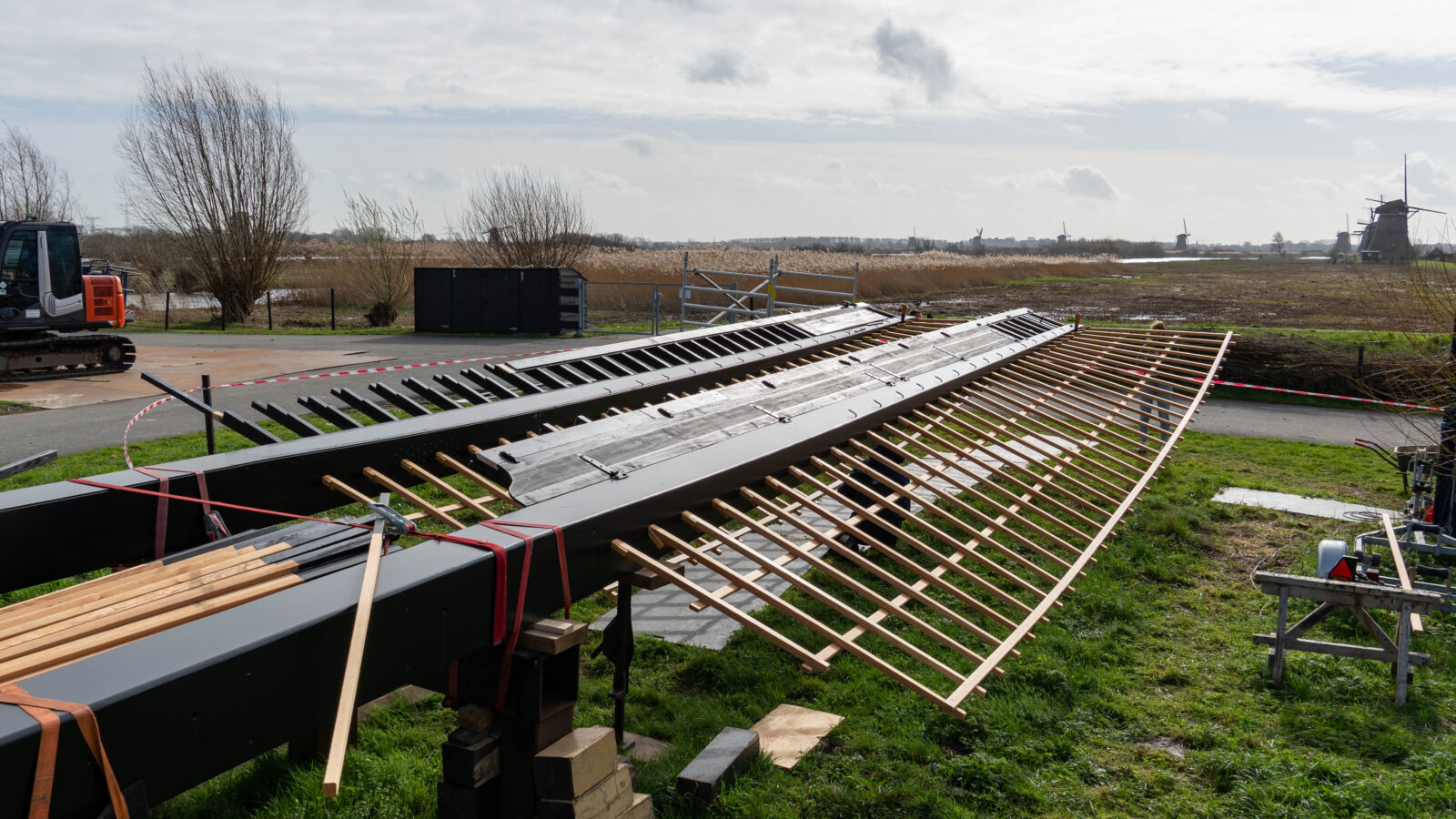
In the coming weeks, the sails will be assembled step by step, but eventually everything will be taken apart again. That may seem a bit cumbersome, but there is a clear reason for it. “By assembling everything first, we can make sure it all fits perfectly,” Karel explains. “When everything goes to the mill later, it saves a lot of time, and it’s easier to access everything now.”
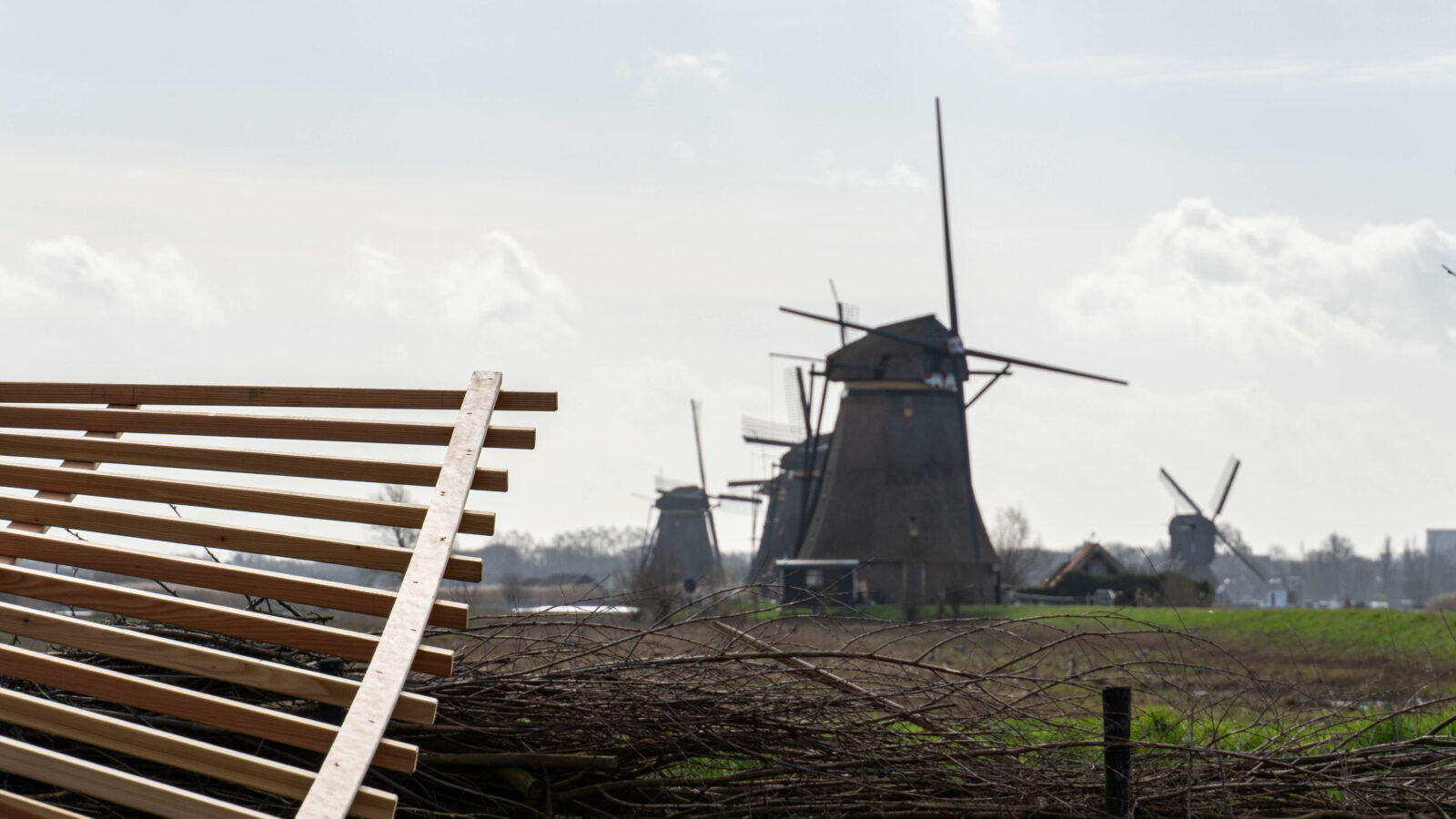
The new sails are currently being fitted with their sail frames (“opgehekt”). This means the wooden framework is placed on the stocks: the slats and boards that allow the windmill to catch the wind. For this work, Oreon wood is being used, a type of wood from the pine family that is also commonly used for items such as cabinets.
The entire process, from assembling the sails to the final fitting, takes about six to eight weeks.
Right now, the work can still be viewed up close. Next to Secondary Pumping Station ‘De Fabriek’, you can clearly see how the sails are being assembled. Once everything moves to the windmill and lifted into place, this will no longer be possible, as the lifting takes place on the miller’s private property.
Hoisting without heavy machinery
The installation at the windmill will largely be done by hand. Heavy machinery cannot reach the mill, as the ground consists of peat, which means heavy vehicles would easily sink. Instead, the millwrights will use a traditional ship’s winch to hoist the stocks into place. A technique that has been used for generations.
Two different types of stocks
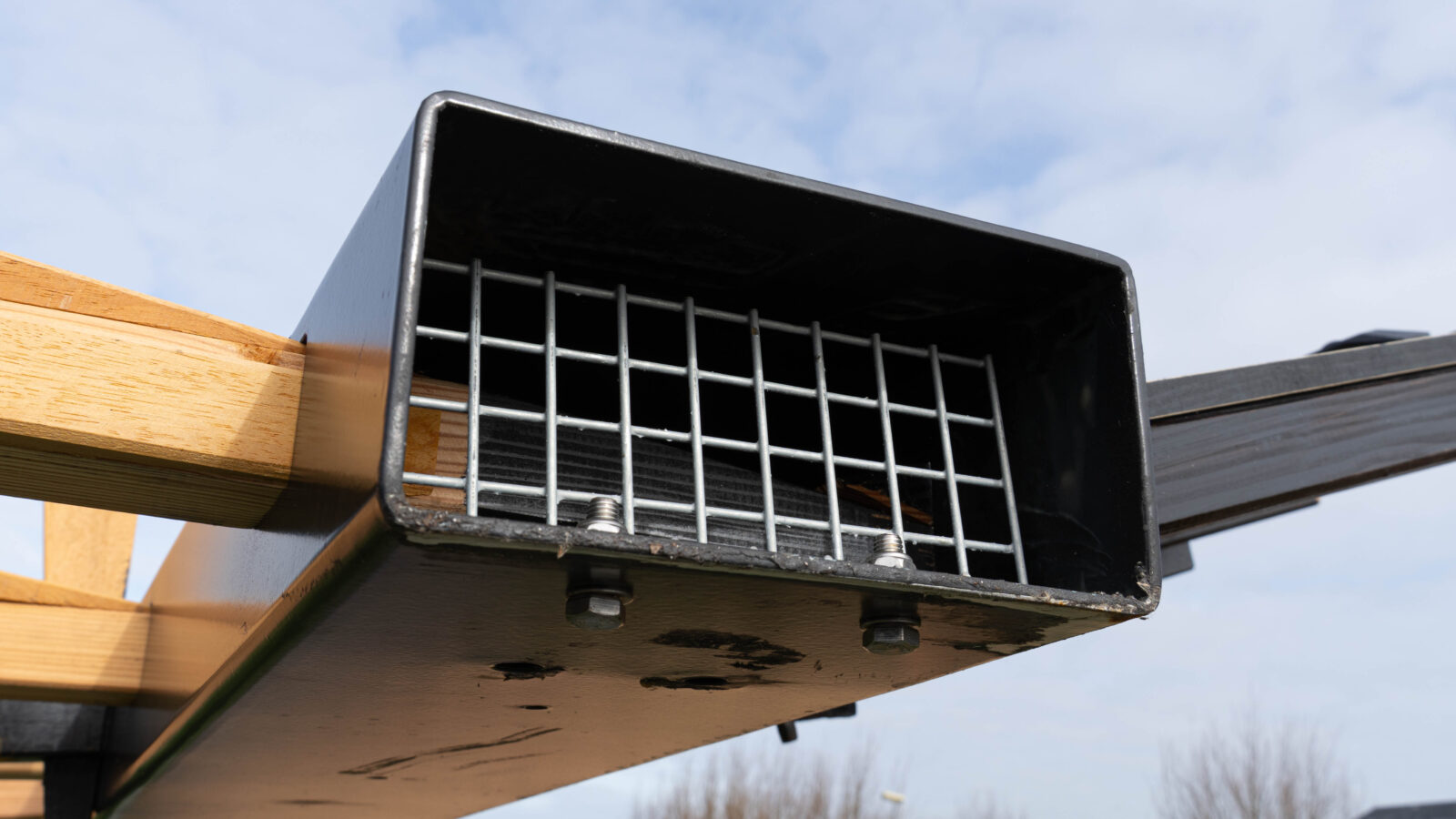
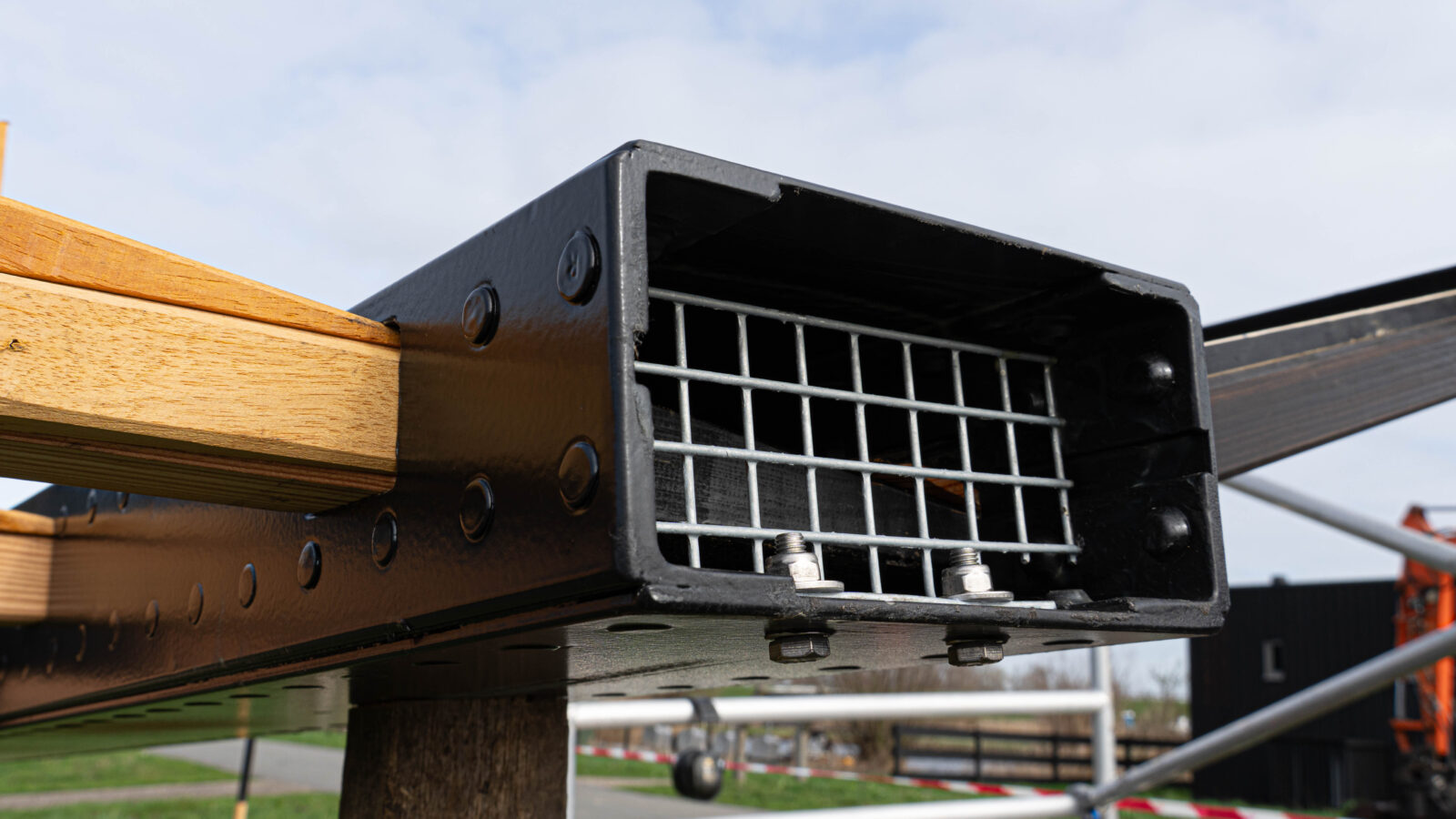
Interestingly, the windmill will receive two different types of stocks. One stock is riveted, while the other is welded. This difference is intentional. The project is part of a government test to investigate which construction method lasts the longest.
A welded stock typically has a lifespan of around fifty years. Riveted stocks may last much longer, sometimes even up to a hundred years. Some windmills are still operating with stocks of this type.
In the past, riveted stocks were produced by Firma Pot. The new riveted stock has been made according to the model that was historically used on the Overwaard.
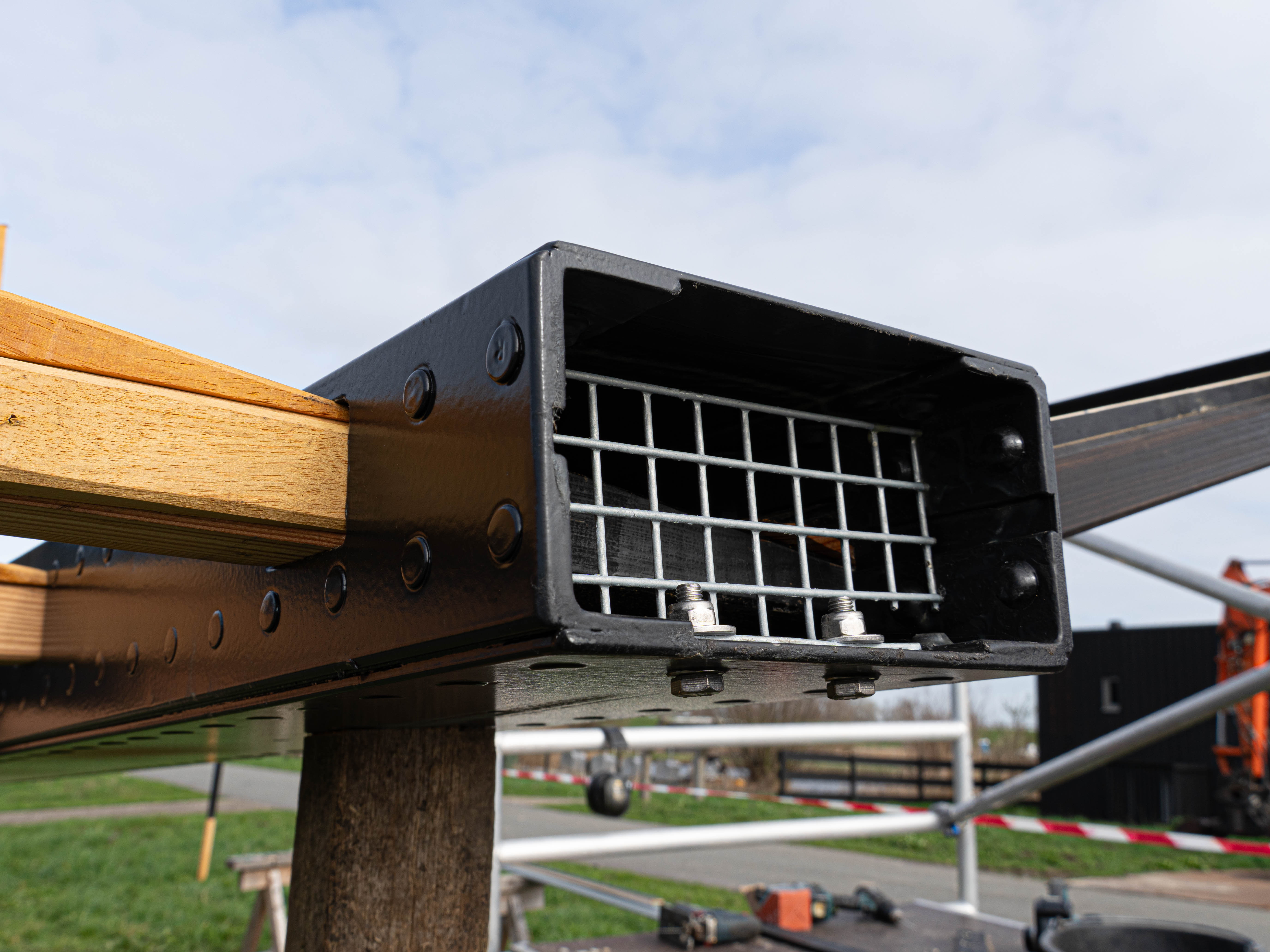
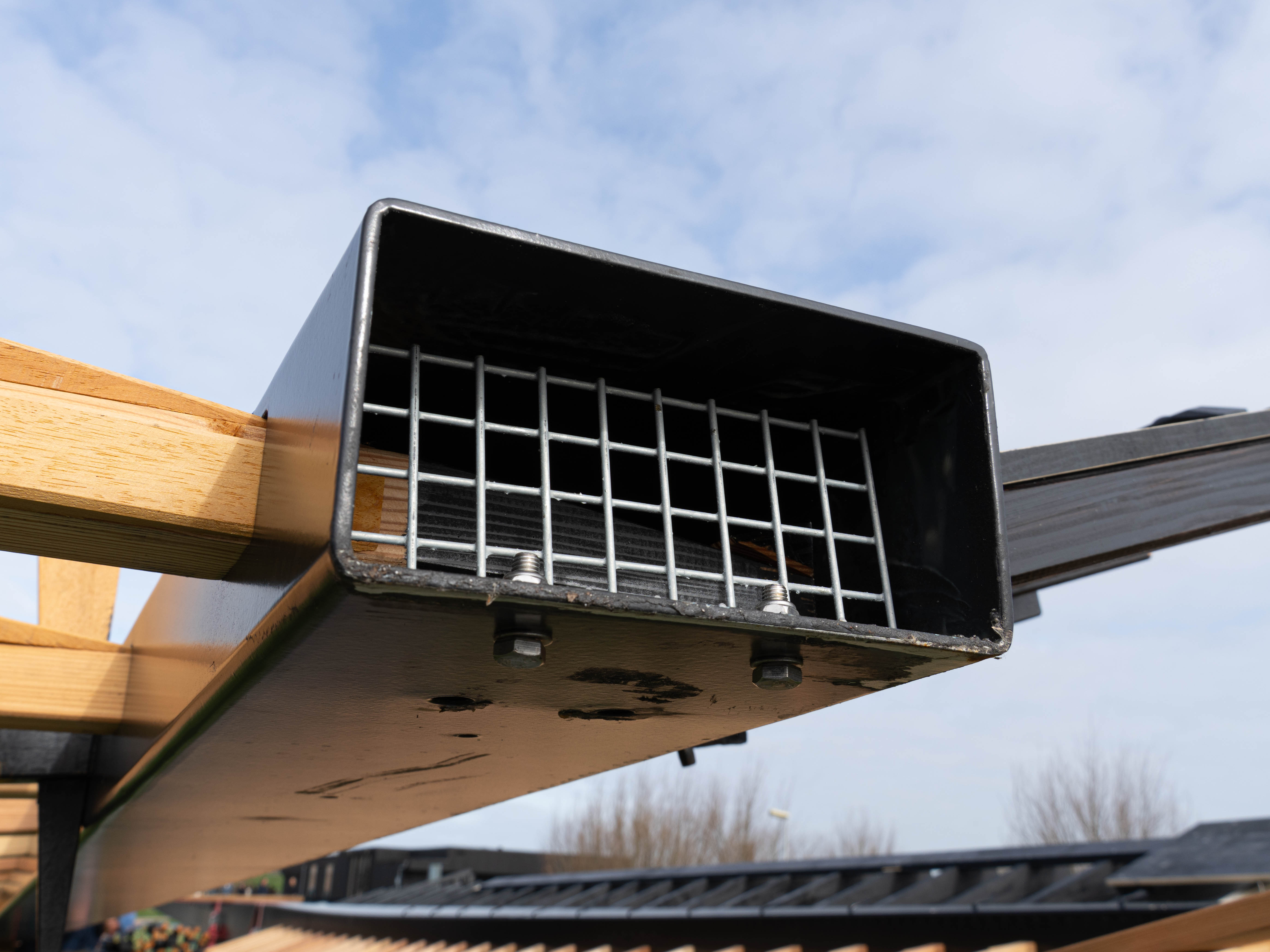
A riveted stock and a welded stock.
Preparations at the windmill
Before the new stocks can be installed, the shaft head of the windmill must first be cleaned and stripped of rust. After that, the inner stock (the riveted one) will be installed first, followed by the outer stock (the welded one).
The old stocks were rejected after inspection revealed that the structural welds were no longer reliable. In addition, rot had developed near the shaft head.
Starting next week, the first stock will be transported to the windmill. The second one will remain at the workshop for a while longer.
Written by