What happened this winter in Kinderdijk?
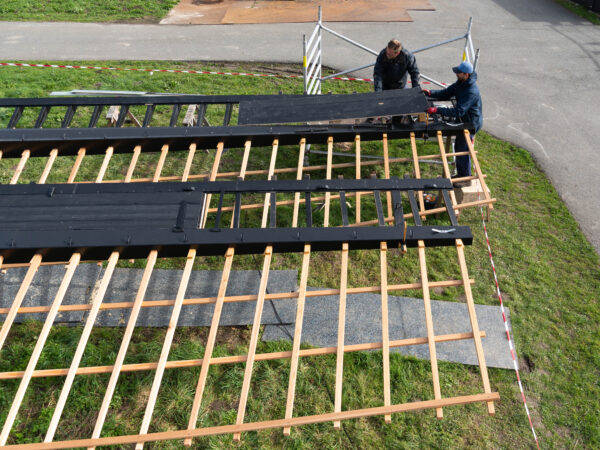
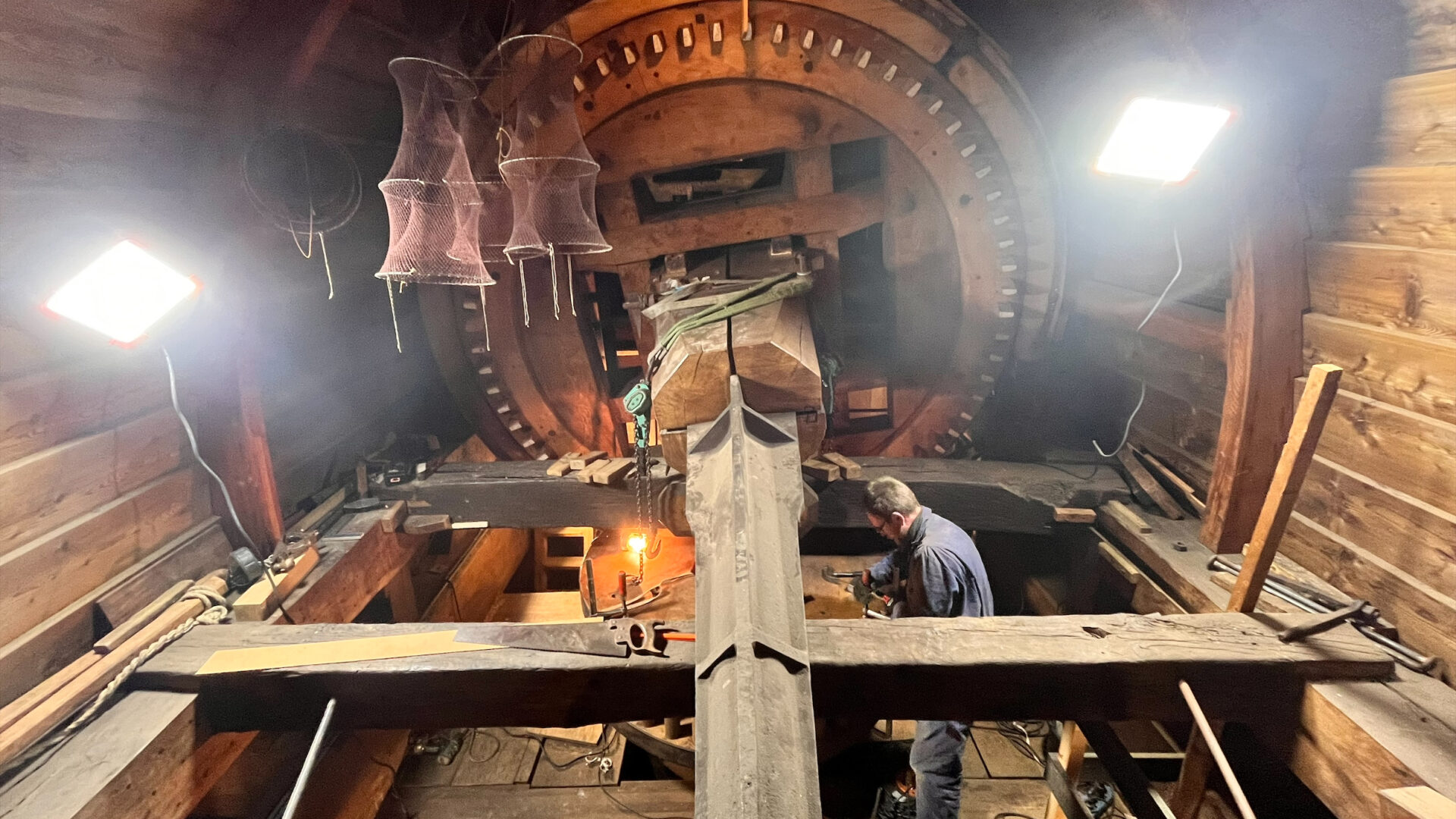
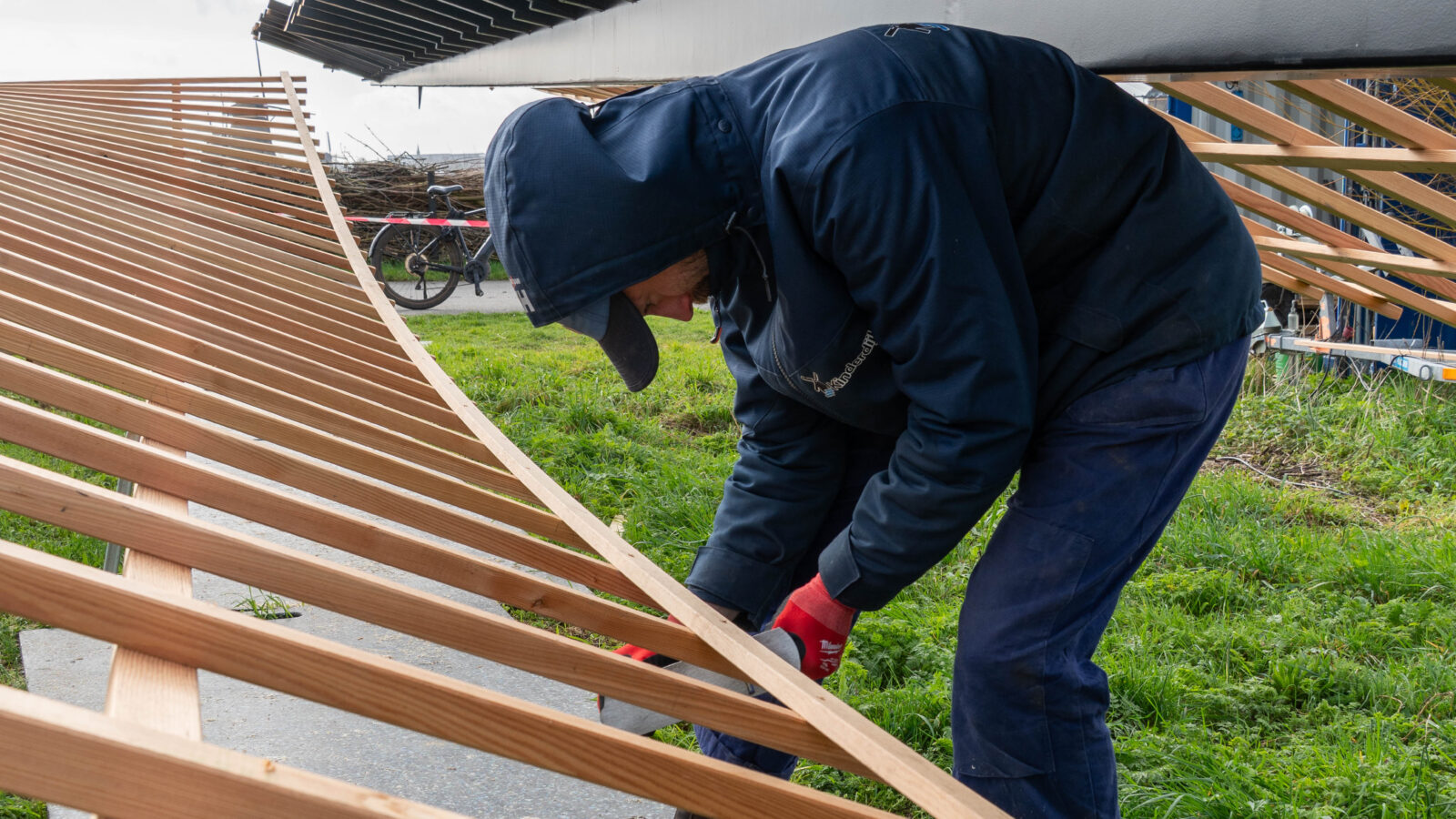
While the windmills stand in winter silence, people are working behind the scenes. Inside the mills, on the yards, and even on the water. This is the moment when the heritage site receives extra care and new stories begin to take shape.
Winter is our working season
For the Kinderdijk team, winter is the time to look ahead. It’s when we assess what can be improved, what needs repairing, and how visitors can experience the story even better.
“This is heritage,” says Paul Golembiewski, Head of Heritage. “Our task is mainly to make sure it keeps working and remains as it was intended, so everyone can continue to experience it all year round.”
Sometimes that means big projects, but often it’s about small details. For curator Kim, that might mean replacing information boards with a beautiful historic image, or rearranging a room inside a museum mill.
Small adjustments can make the whole experience feel more authentic. The goal remains the same: to give visitors a sense of how people once lived and worked here.
Working with your hands
For millwright Daniël, winter mainly means practical work: checking, restoring and repairing things before they break. And often, it’s done the traditional way.
“For example, if a wheelbarrow breaks, we first see if we can repair it ourselves,” Daniël explains. “Only after that do we consider replacing it. That fits with how we treat heritage here: we preserve as much as possible of what already exists.”
New stories on the water
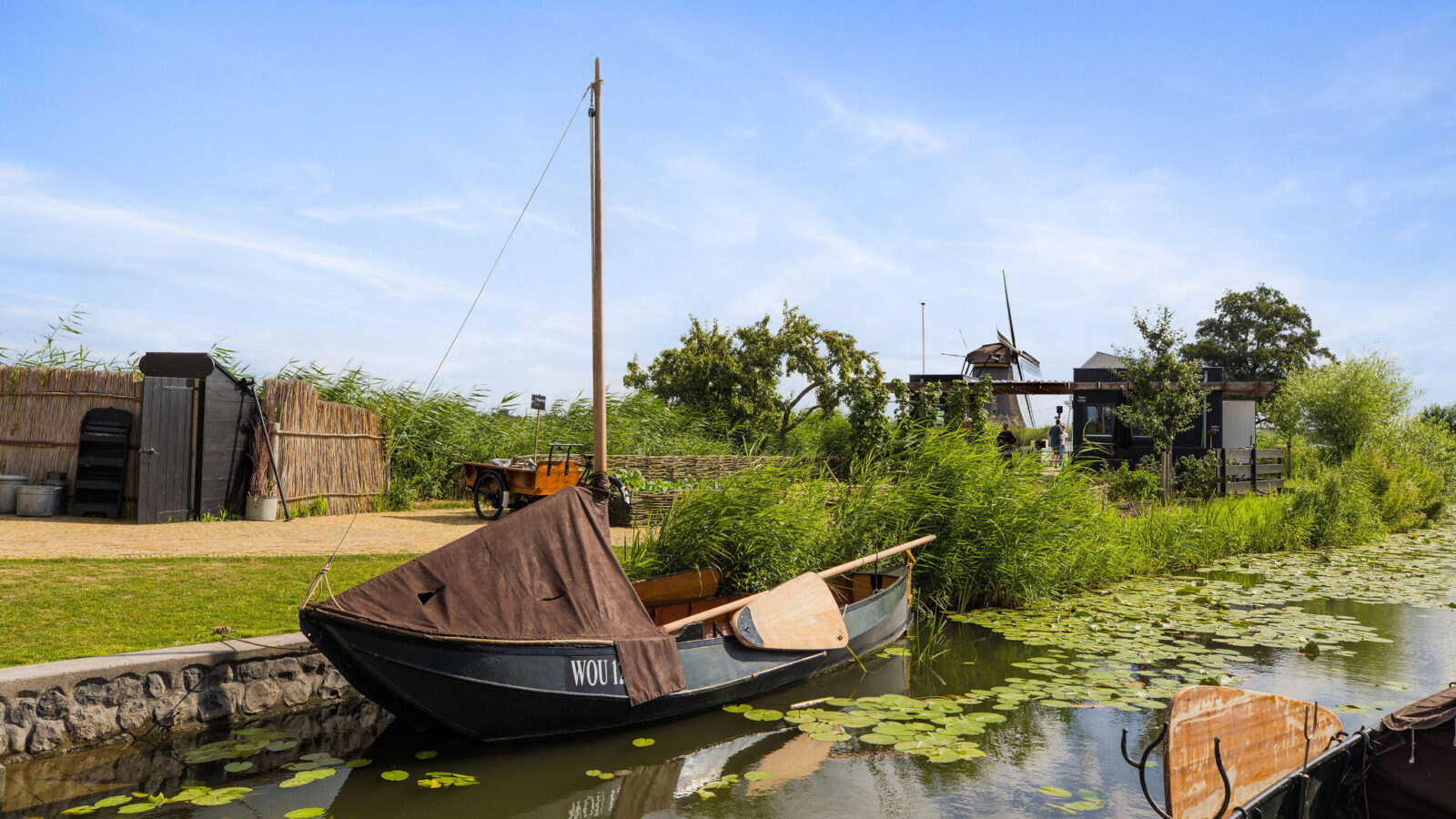
This winter also brought a new sight to the water: zalmschouwen. These are traditional wooden boats that were once used on the rivers in this region. They represent an important part of the area’s history.
Eleven volunteers have already signed up to learn how to sail the boats. The idea is that visitors will soon not only look at them, but also step aboard themselves.
“It shouldn’t be a backdrop,” Paul says. “We want people not just to see it, but to truly experience it. Sitting in a boat like that for a moment and feeling what life on the water used to be like.”
Stay for lunch with a view
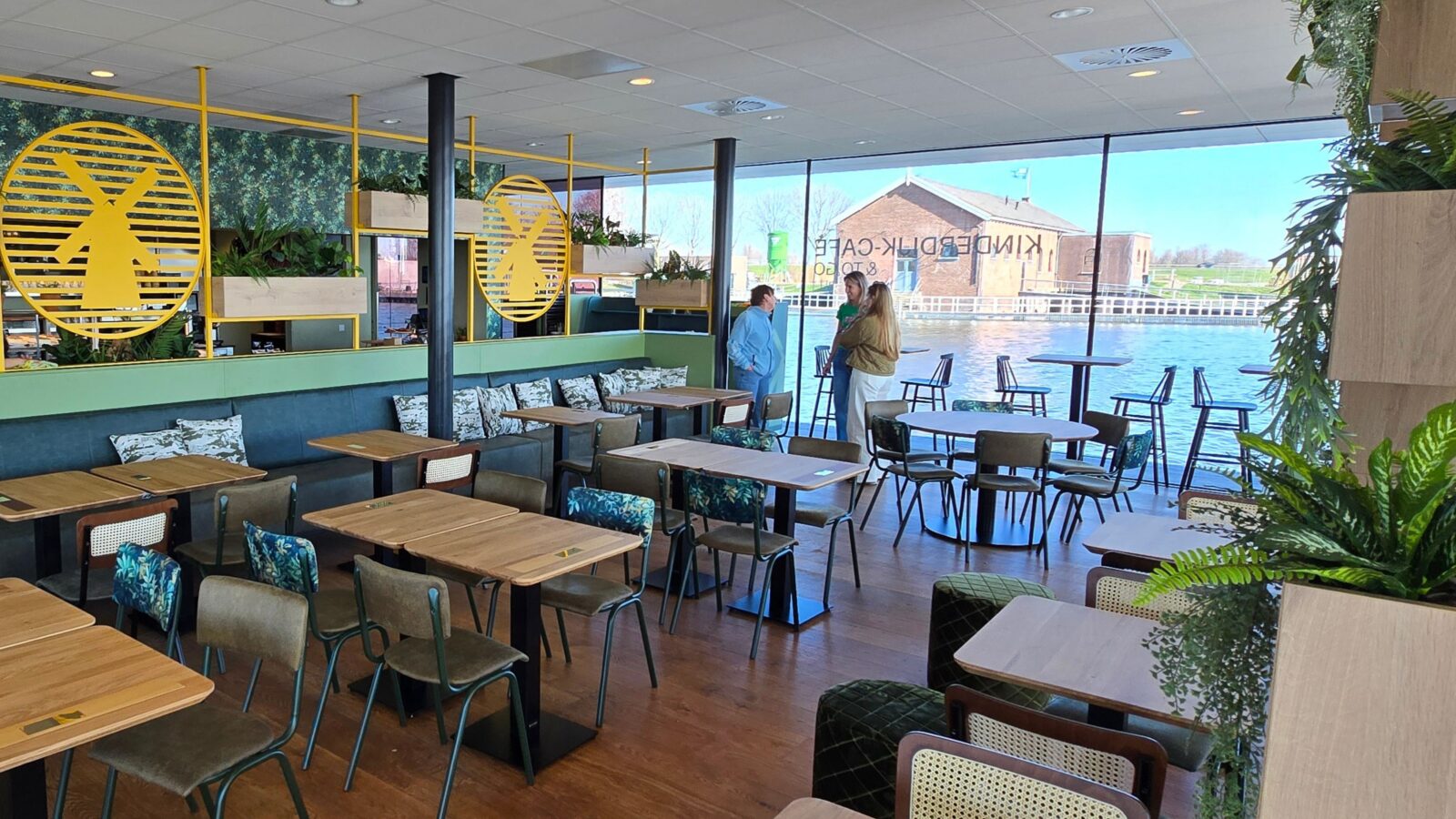
And meanwhile, even more is happening. The animals have returned to the yards, and the area is buzzing with life again. The renewed Kinderdijk-cafe has also reopened – a place where visitors can pause for coffee, lunch, or a short break with a view of the water and the windmills.
All these things together make sure that Kinderdijk is completely ready for spring.
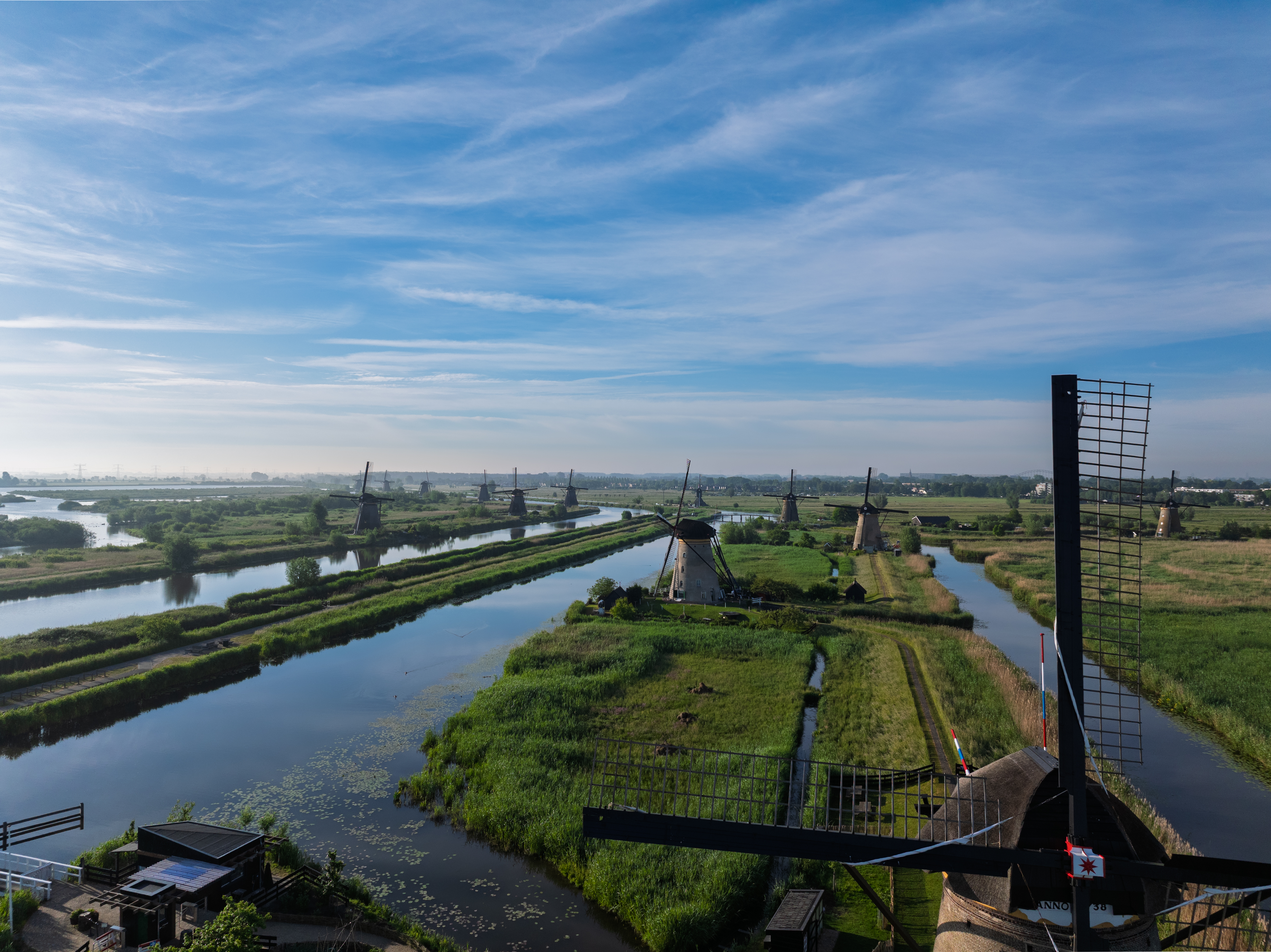
When visitors walk past and see the windmills turning, everything may seem effortless. But behind that peaceful view lies a whole winter of work – so that you can now walk around and enjoy it.
Come and experience it for yourself!
Written by