What Do Airplane Wings Have in Common with the Windmills of Kinderdijk?
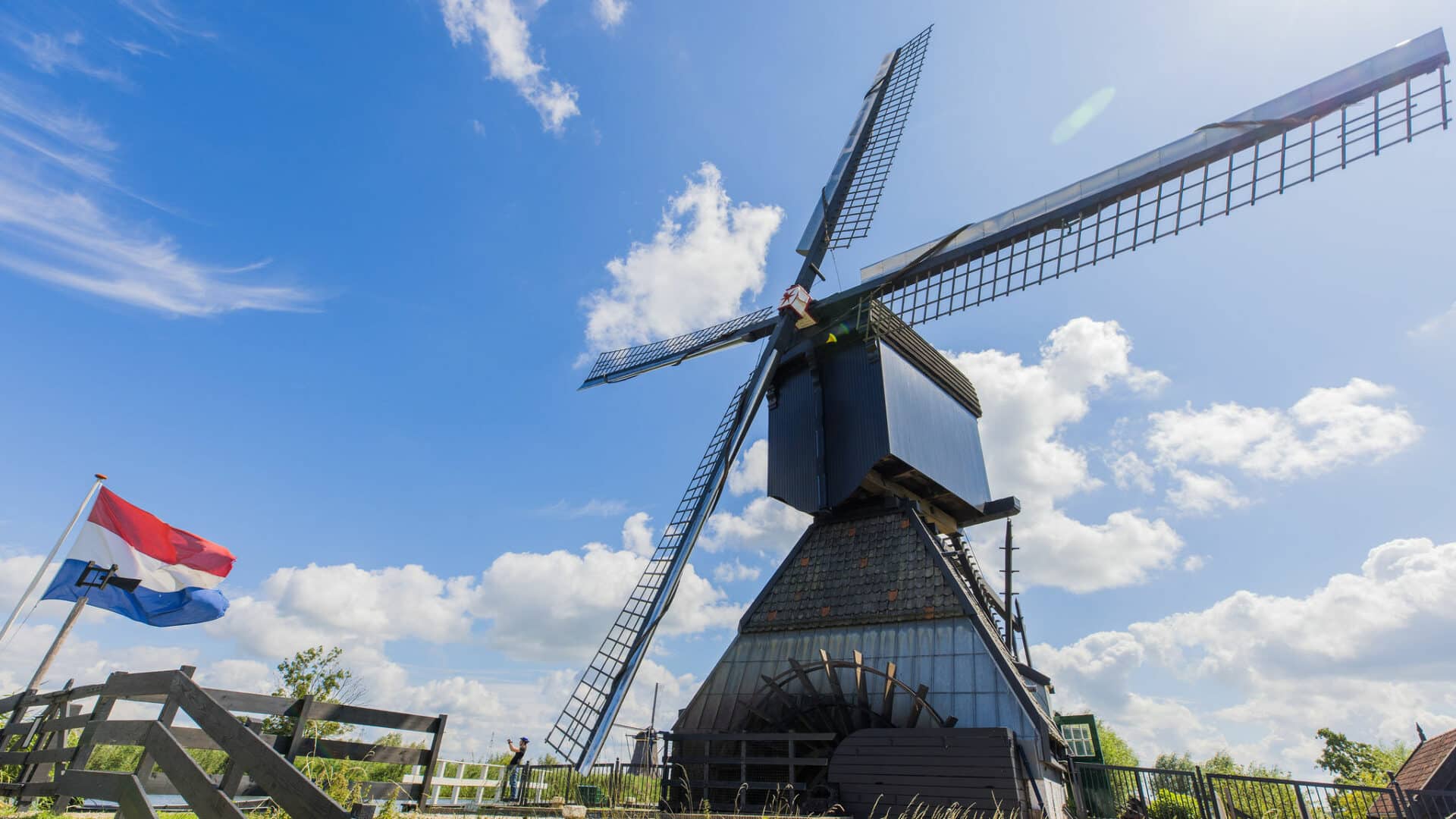
When you look at the windmills of Kinderdijk, you probably notice their four large sails first. But not all windmill sails are the same. One windmill in particular stands out: Blokweer Museum Mill. Dating back to 1630, it differs from the other 18 windmills in the area not only in age and type. It is also the only windmill with airplane wings.
Making More Efficient Use of the Wind
In 1943, Blokweer Museum Mill was fitted with the Van Bussel sail system. This technique gives the leading edge of the windmill sail a streamlined profile, allowing air to flow more efficiently around it. So the mill’s sails are not literally airplane wings. The similarity lies in the aerodynamics: just like on an airplane, their shape is designed to make smarter use of the air flowing past them.
From Windmills to Pumping Stations
For centuries, windmills were essential for keeping the Dutch polders dry. But that changed during the twentieth century, when motor-powered pumping stations increasingly took over their work.
These pumping stations had one major advantage over windmills: they could pump water even when there was no wind. During World War II, however, fuel became scarce. This gave an age-old source of energy renewed value: the wind. When fuel is hard to come by, a machine that can move water without using any fuel suddenly becomes much more valuable.
Why Doesn’t Every Windmill Have This System?
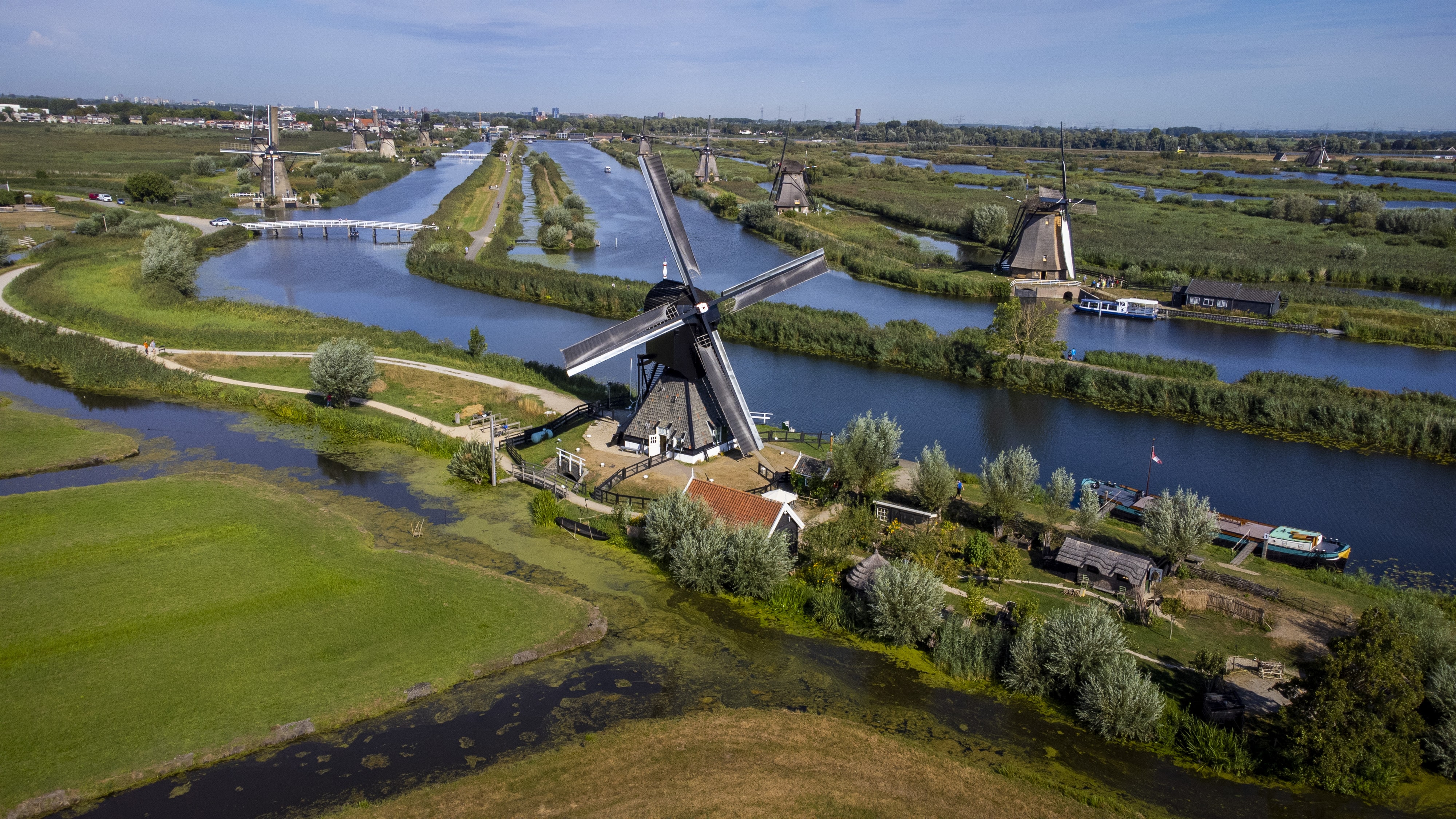
A more modern sail system is not automatically the best choice for every windmill. A windmill is one large, carefully coordinated machine: the sails, gears, and water-lifting mechanism all need to work together properly. The windmills of Nederwaard and Overwaard use the traditional Dutch sail system.
Historical appearance also plays an important role when preserving heritage windmills. Van Bussel sails are a twentieth-century innovation, so they are not appropriate for every historic windmill. At Blokweer Museum Mill, however, they are part of an important chapter in its history. During the restoration following the 1997 fire, the decision was made to restore the mill to its appearance around 1950, when it operated with the Van Bussel system.
Different Stages of Innovation on Display
These different sail systems allow Kinderdijk to tell more than one story. The traditional Dutch sails of the Nederwaard and Overwaard windmills showcase centuries-old windmill engineering, while the Van Bussel sails of Blokweer Museum Mill show how modern aerodynamics were introduced later on. Together, they make different stages of technological development visible side by side at Kinderdijk.
Written by