Only in Kinderdijk will you find Hoeks in round windmills
The history of the Hoek family in Kinderdijk dates back to 1745, when Jacob Hoek settled in one of the Nederwaard windmills. Since then, generations of the Hoek family have lived and worked among turning sails, creaking gears, and the waters of the Alblasserwaard. What began as a profession became a way of life, passed down from one generation to the next. The craft of milling was not learned from books, but at home, from father to son, as part of everyday life inside the windmill.
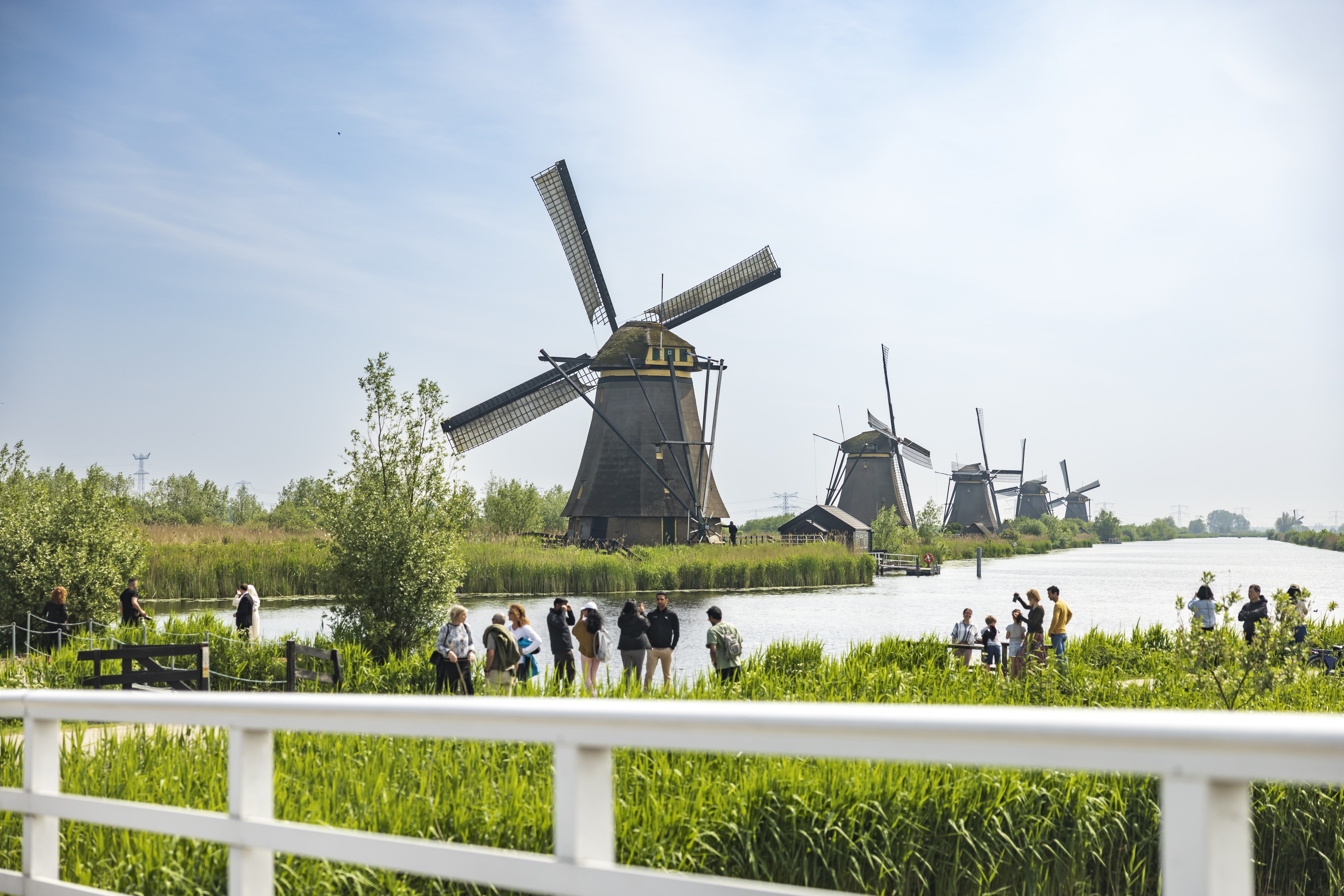
Over the centuries, members of the Hoek family came to live in more than ten windmills throughout Kinderdijk. Their lives became deeply intertwined with the windmill landscape. In some windmills, families with ten or more children grew up. But these windmills were far more than family homes. They were essential to survival. Day and night, millers monitored the water levels and worked tirelessly to keep the polders dry. Without them, the landscape surrounding Kinderdijk would look entirely different today.
In some windmills, families with ten or more children grew up. But the windmills were far more than homes. They were quite literally vital to life here. Day and night, millers kept watch over the water levels and made sure the polders stayed dry. Without their work, the landscape around Kinderdijk would have looked very different.
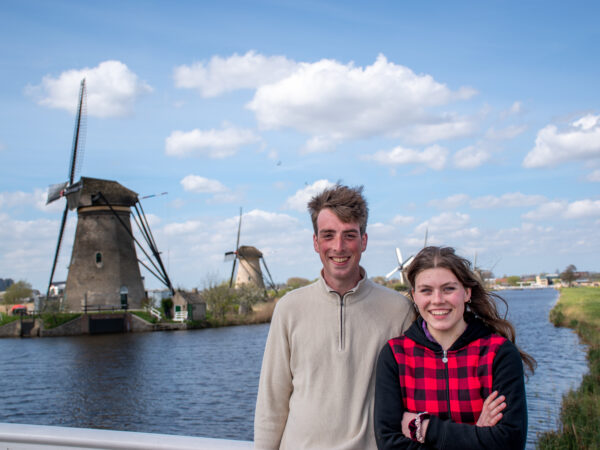
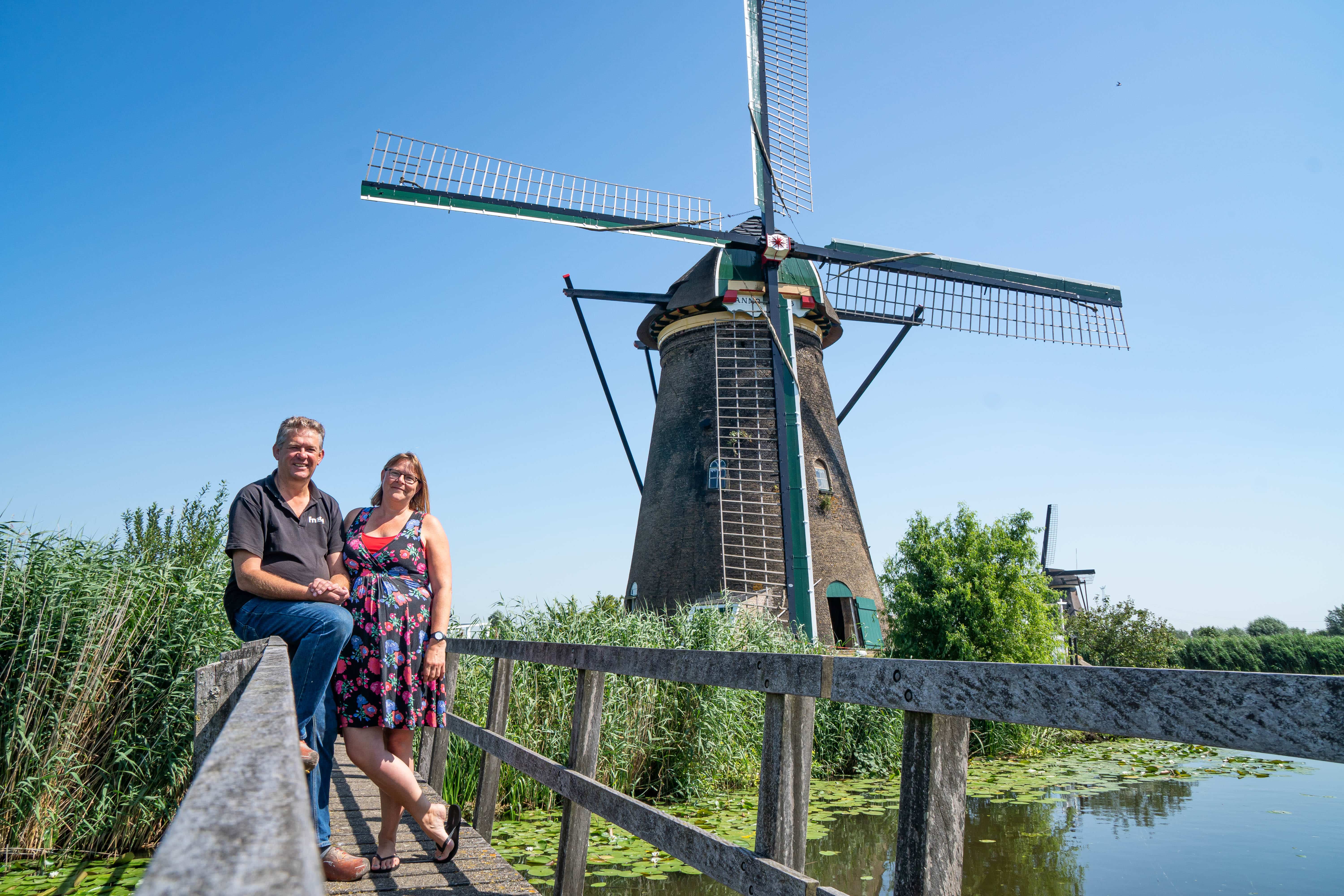
What makes Kinderdijk even more special is that the story here never stopped. The windmills did not become silent monuments, but living heritage sites. The Hoek family still lives in and around the windmills of the Nederwaard today. Recently, miller’s son Arjan Hoek passed his official miller’s exam, becoming the eleventh generation of millers in his family.
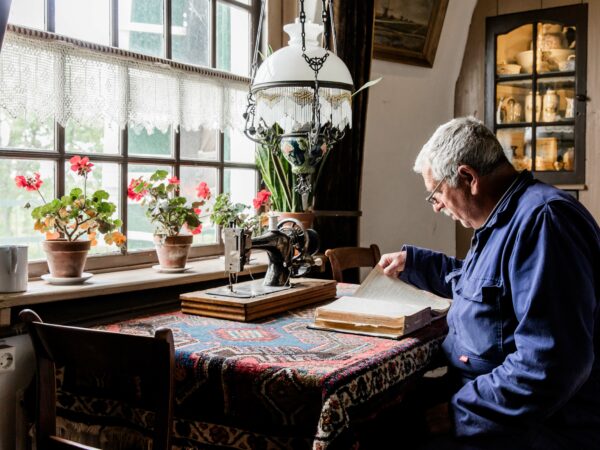
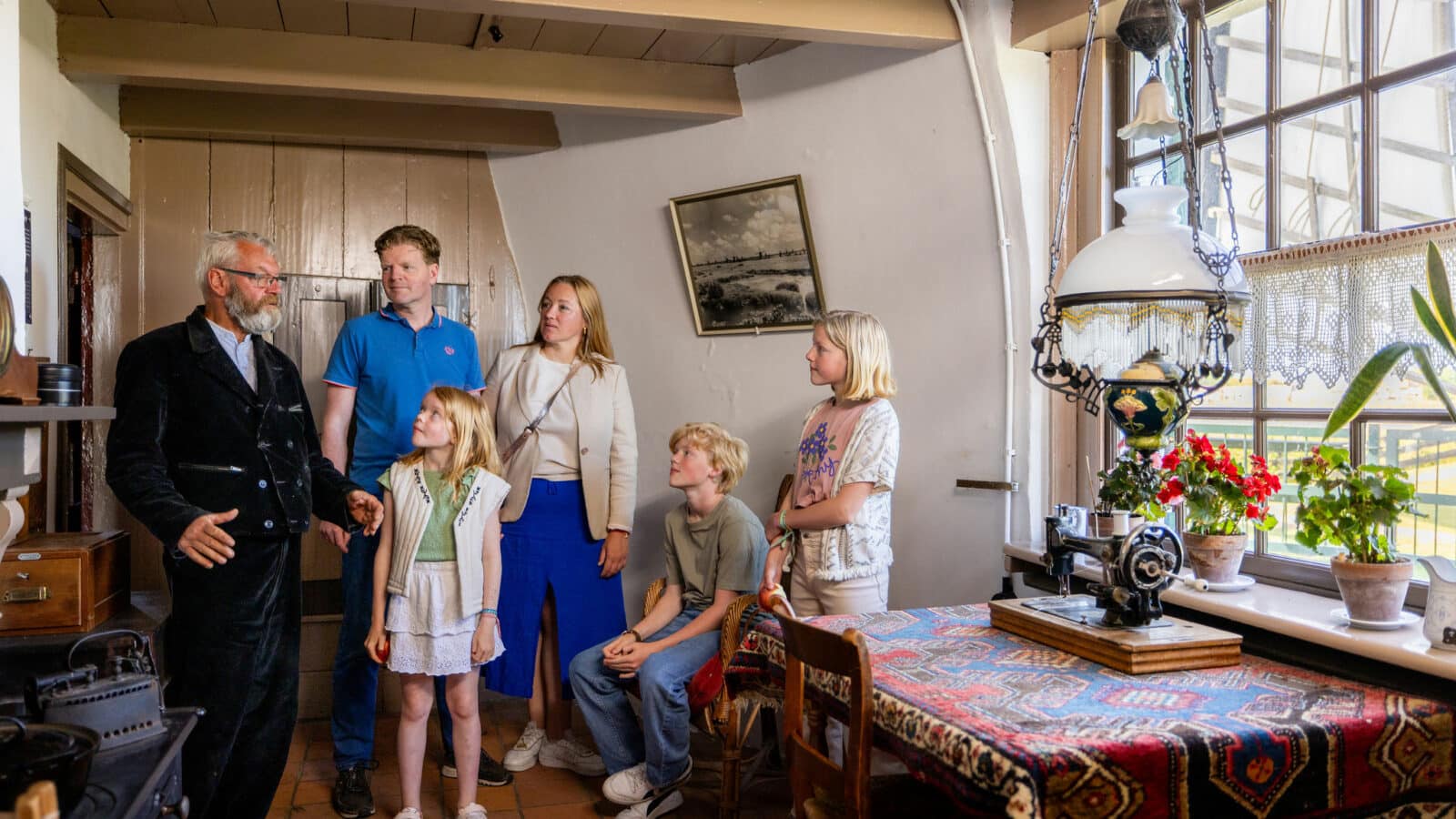
Visitors to the Nederwaard Museum Mill can still discover traces of this remarkable family history. Old black and white photographs, everyday objects, and stories from generations of the Hoek family bring the past vividly to life. Perhaps that is what makes Kinderdijk UNESCO World Heritage truly unique: not only the windmills themselves, but the people who have called them home for generations.
Written by