What do you do when fuel is scarce? Just use the wind!
In Kinderdijk, this is not a new question. As pumping stations gradually took over the work of the windmills, reliance on fuel increased. And during World War II, that fuel became scarce.
Returning to a centuries-old source of power
For centuries, the windmills of Kinderdijk have harnessed the wind to move water out of the polders. In the twentieth century, pumping stations gradually took over more of this work. This made water management less dependent on the weather, as pumping stations could keep moving water even on windless days. But it also created a new dependency. While a windmill needs enough wind to operate, a pumping station needs fuel to keep its engine running.
The windmills stop turning
The transition from windmills to pumping stations began as early as 1868, when two steam-powered pumping stations were built at Nederwaard and Overwaard to support the existing windmills. Between 1924 and 1927, steam power gave way to new technology. Overwaard switched to an electric pumping station, while Nederwaard got a diesel-powered one. In 1927, the Nederwaard windmills stopped performing their original role, and the pumping station took over water management entirely.
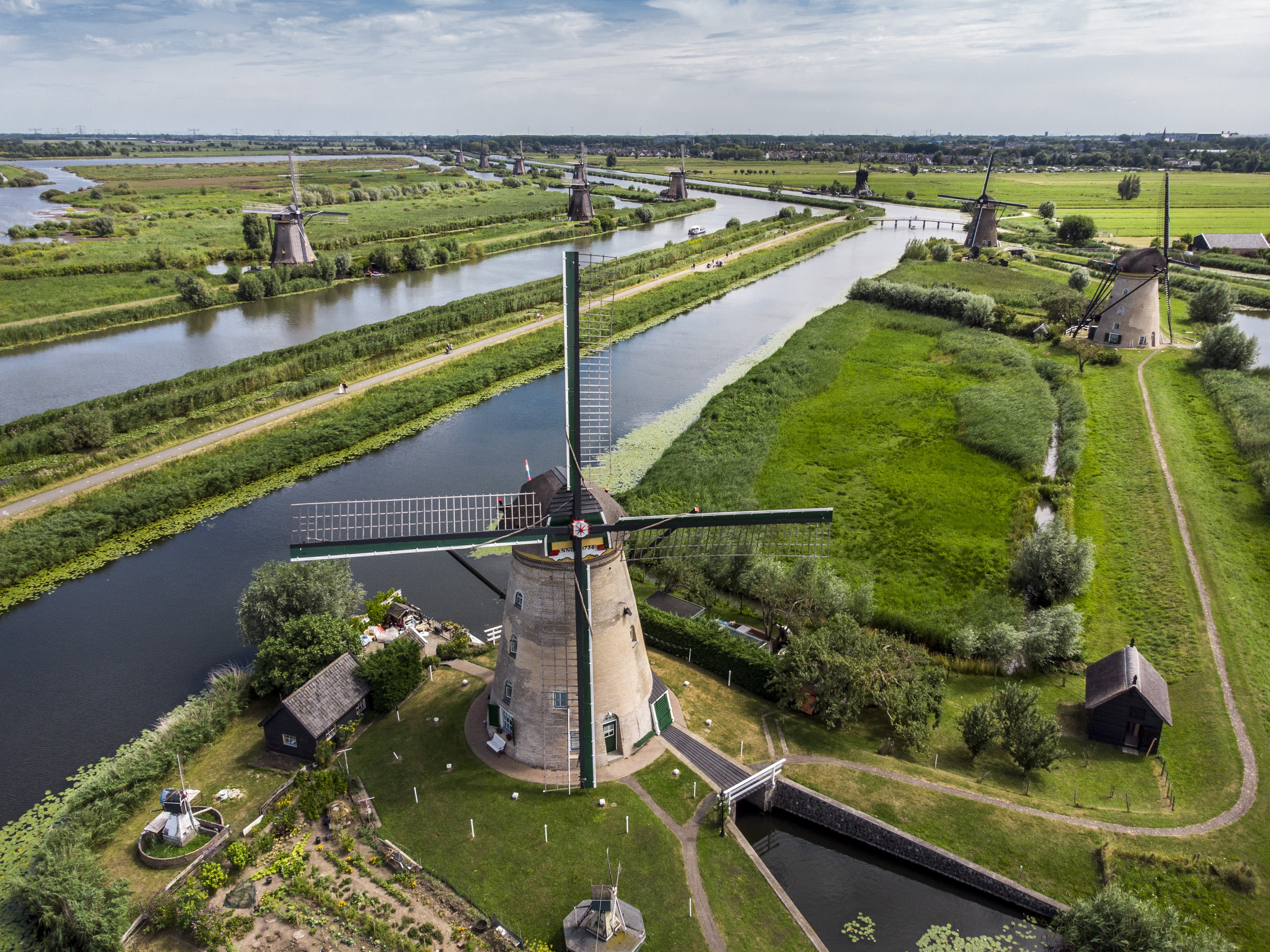
Overwaard on the left and Nederwaard on the right
The sails start turning again
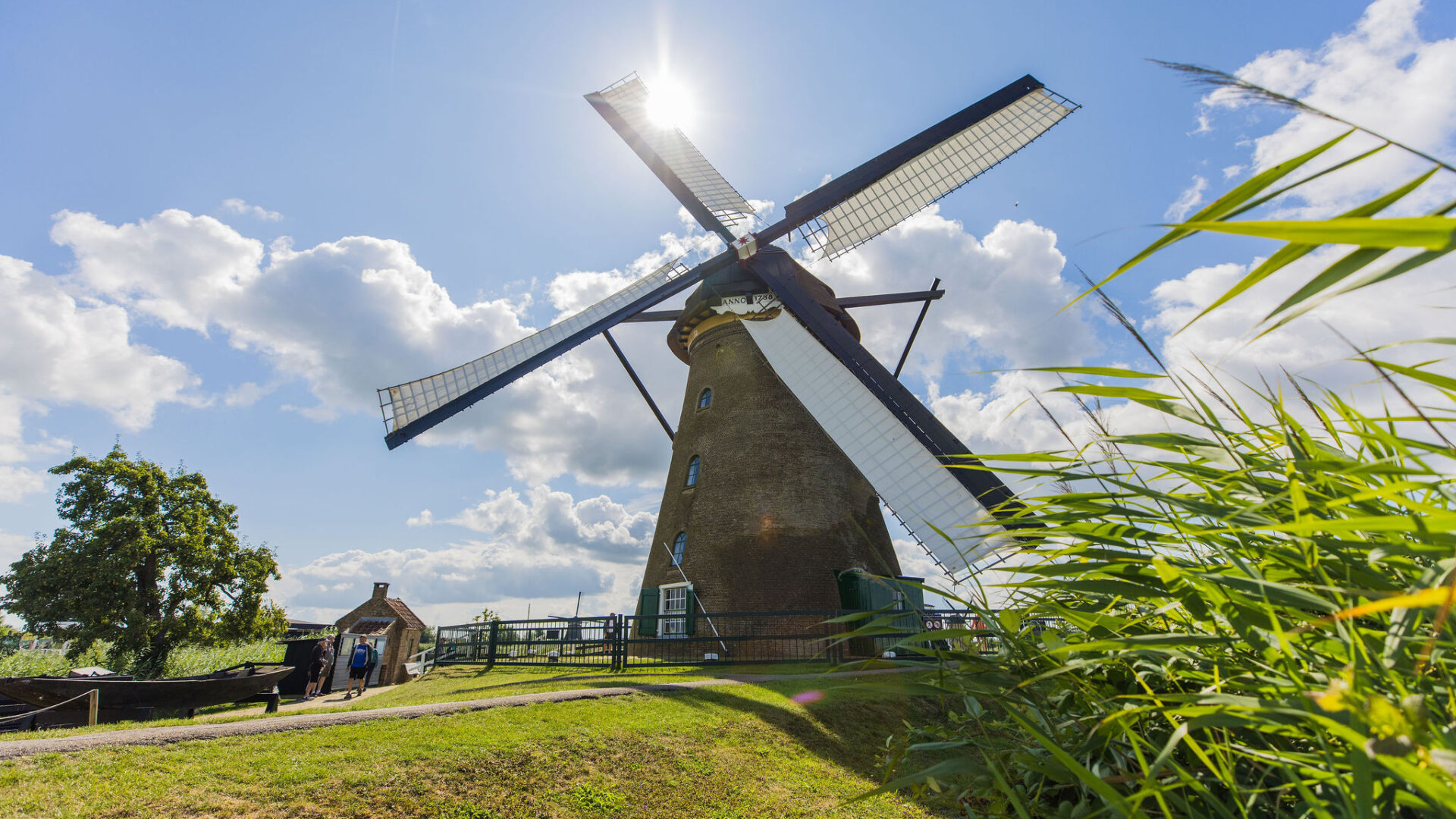
During World War II, the situation changed. The Nederwaard windmills, which had been out of operation since 1927, were temporarily brought back into service. Wind power once again became part of water management. While a diesel engine needs fuel, the windmills could rely on the wind to do their work. Their sails turned, powering the machinery that moved the water. A technology that had become less essential with the arrival of pumping stations suddenly had an important role to play again.
Overwaard keeps operating longer
At Overwaard, the transition happened differently. While the Nederwaard windmills stopped operating in 1927, the Overwaard windmills continued performing their original role for much longer. It was not until the Auxiliary Pumping Station was built in 1953 that they stopped pumping water. The transition from wind power to pumping stations at Kinderdijk did not happen all at once. For many years, windmills and newer technologies worked side by side to manage the water.
 From diesel to electricity
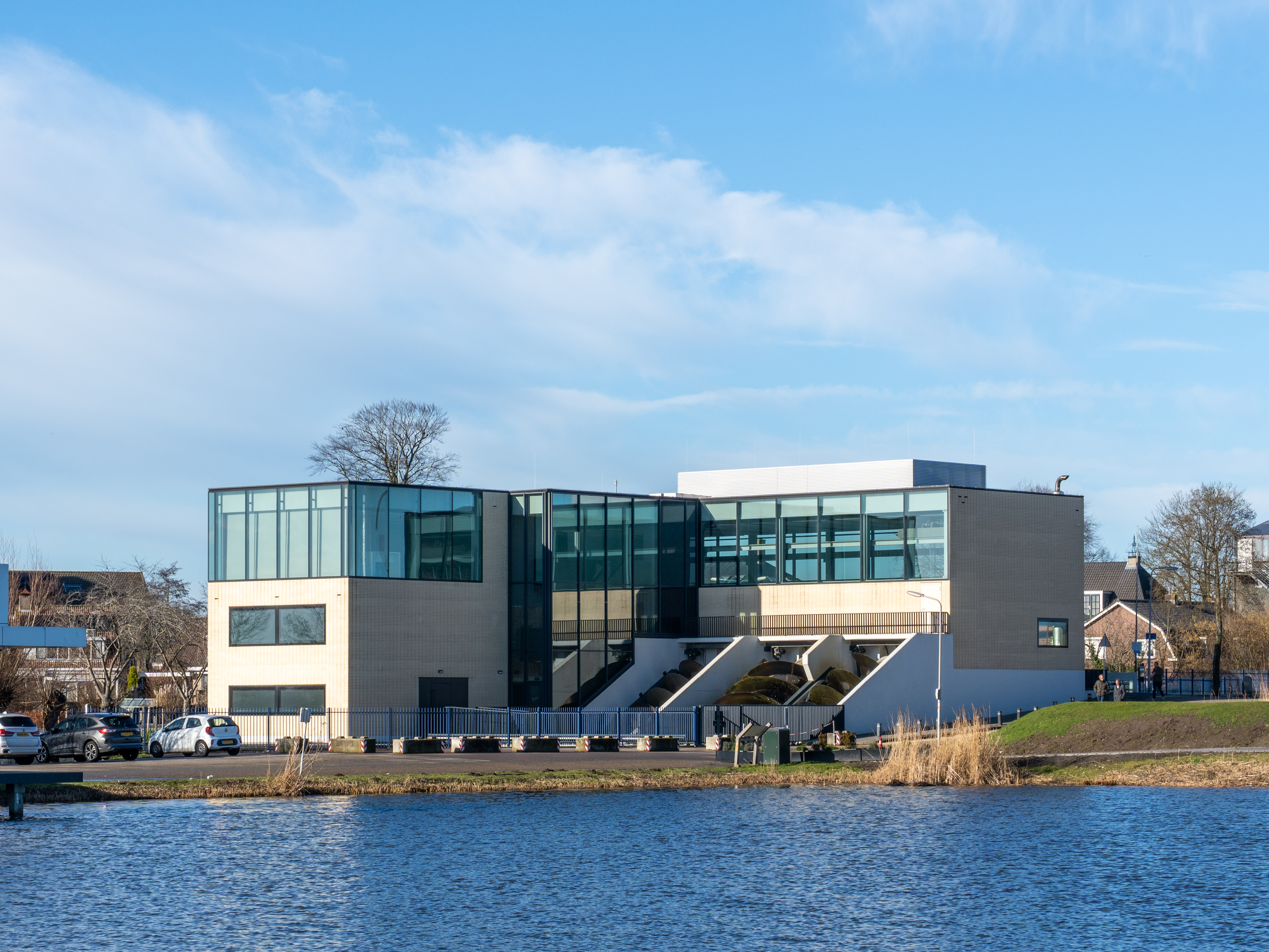
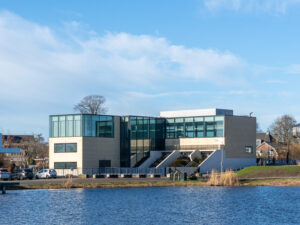
Technology continued to evolve. In 1972, the J.U. Smit Pumping Station was equipped with three diesel engines powering Archimedes screws to move water. Between 2021 and 2023, two of the three screws were converted to electric power. Today, the windmills mainly serve a historical and educational purpose, but they can still pump water and act as a backup for the water management system.
At Kinderdijk, old and new technologies continue to exist side by side.
Energy remains an important consideration
The way Kinderdijk moves water has changed over the centuries, from wind power to steam, diesel, and electricity. Each step reflects the energy sources available at the time. Today’s circumstances are very different from those during World War II, but the question remains relevant: which energy source do you use to keep essential work going?
Written by