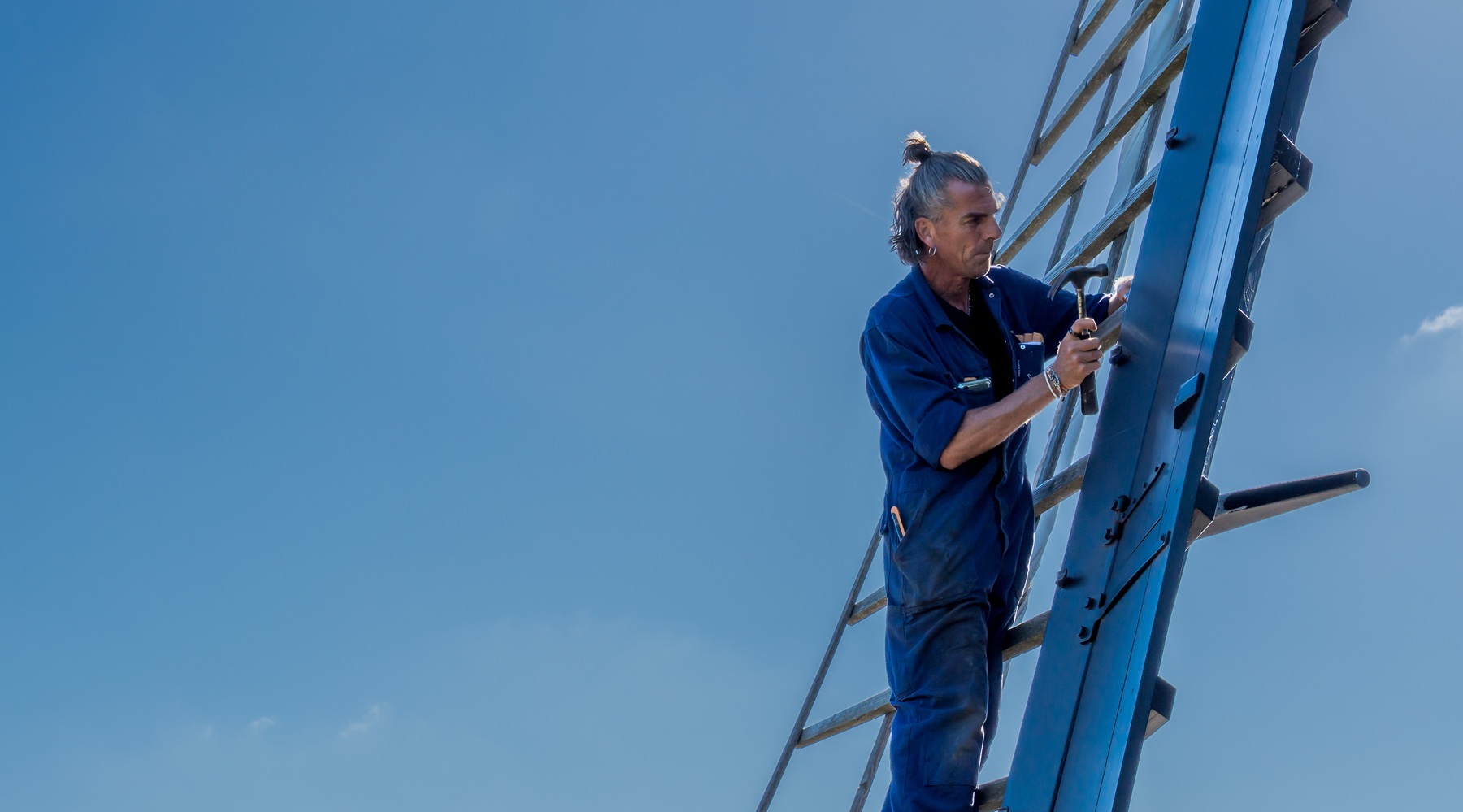
Windmills also run dry sometimes
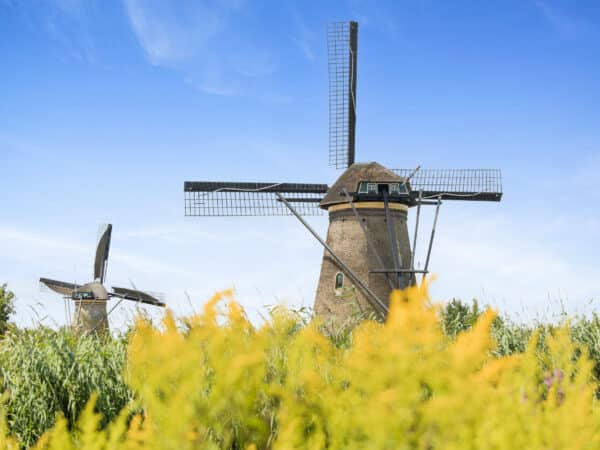
The persistent dry weather across Europe and the Netherlands is also making itself felt at Kinderdijk. The timber in our windmills responds to these dry conditions. At the Nederwaard Museum Mill, this means some extra attention is being paid to the wedges that hold the sail bars in place. The miller is inspecting these small wooden components and replacing them where necessary. Until the work is complete, the museum mill’s sails will remain temporarily still.
Secured extra firmly
The dry weather causes the wood in the wedges to shrink, which can make them come loose. To prevent this from happening while the mill is turning, the miller checks each wedge and replaces any that need attention. Because of the dry conditions, he drives the new wedges in extra firmly. When the wood changes again after the dry spell, they are expected to remain securely wedged in place.
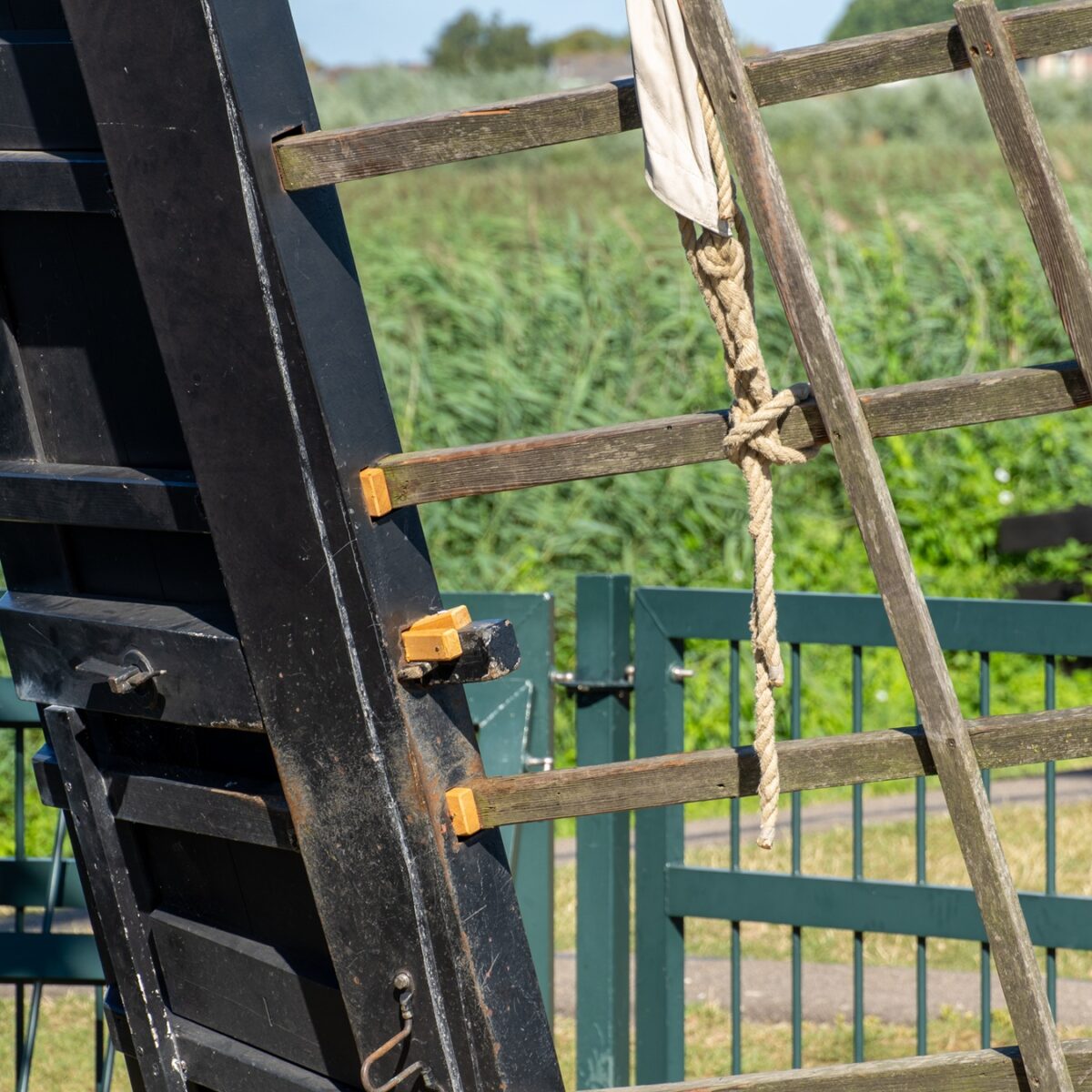
A small part, important maintenance
Once properly secured, these oak wedges can remain in place for around ten to fifteen years. Replacing them is part of the routine maintenance that our millers largely carry out themselves. They keep a close eye on the mill’s components and step in whenever necessary. In this way, a small piece of oak offers a glimpse into the millwright’s craft, something that is easy to overlook when the sails are simply turning as usual.
A brief pause
For this maintenance work, the sails of the Nederwaard Museum Mill were stopped for a short time. The work has now been completed and the sails are turning again. Visitors today will probably notice nothing of the work, but small maintenance jobs like this show just how much care goes into keeping a windmill turning safely.
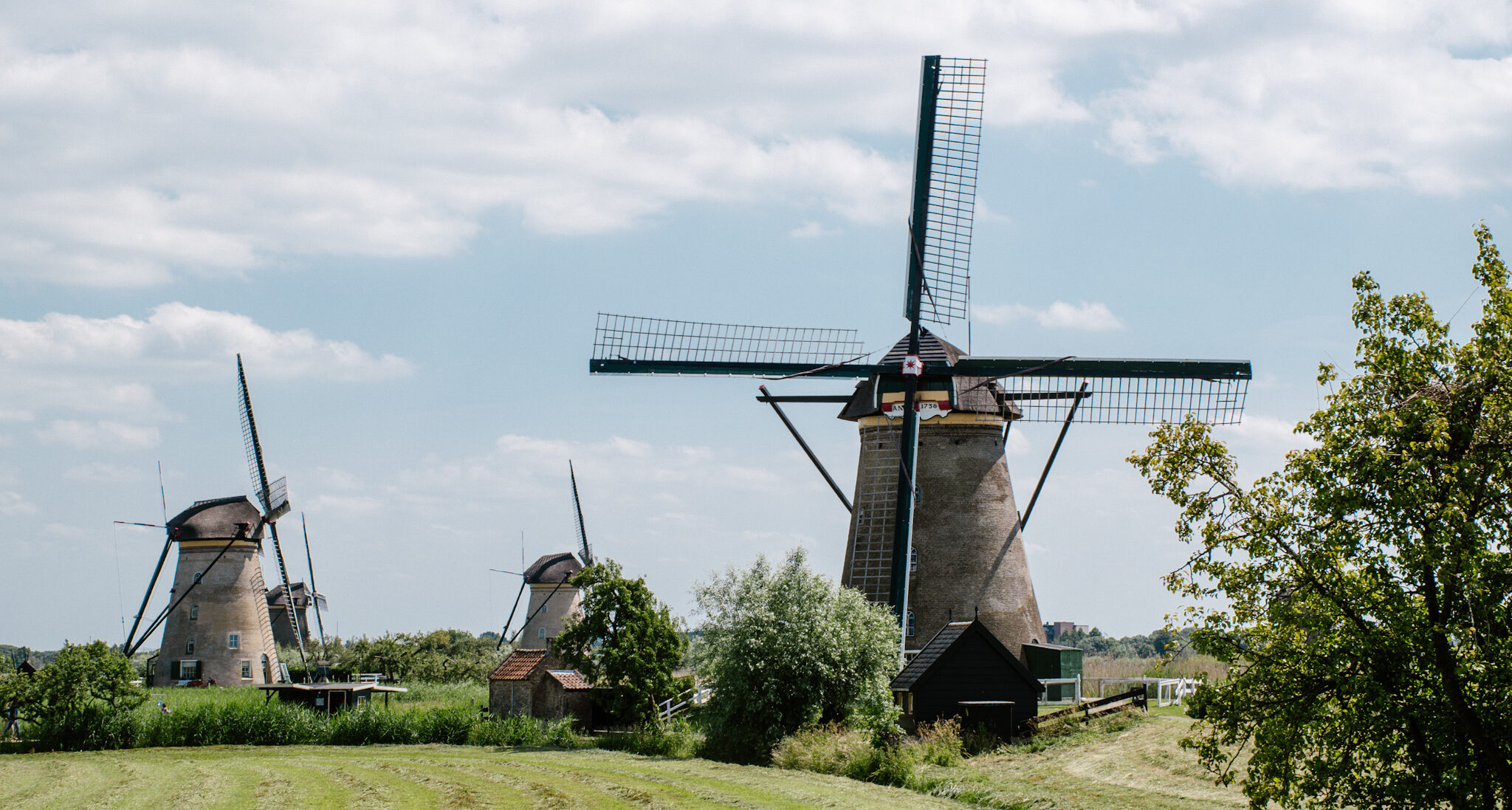
Discover how our windmills work and the maintenance that keeps them running during your visit.
Written by