What Does UNESCO World Heritage Status Mean for Kinderdijk?
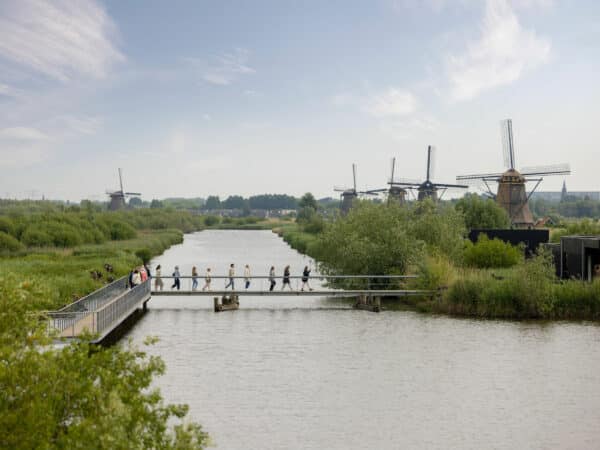
That’s why Kinderdijk is on the UNESCO World Heritage List. It’s the only place in the world where you can still see exactly how the Dutch have used wind and water power to keep the land dry for centuries. This remarkable engineering achievement is of priceless value to the entire world.
A Place Unlike Anywhere Else
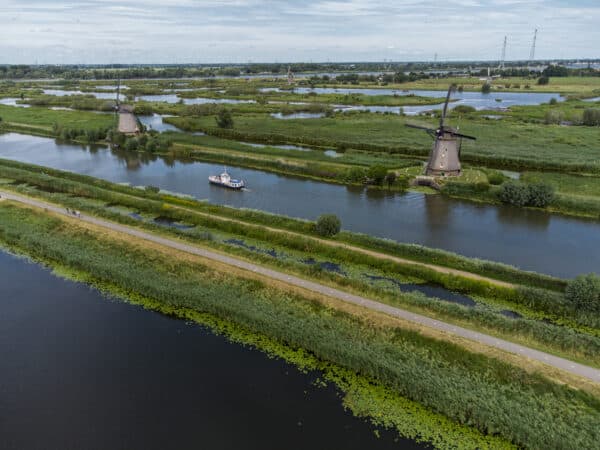
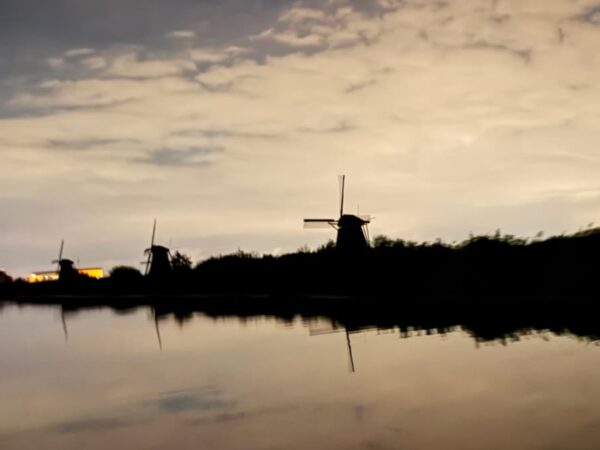
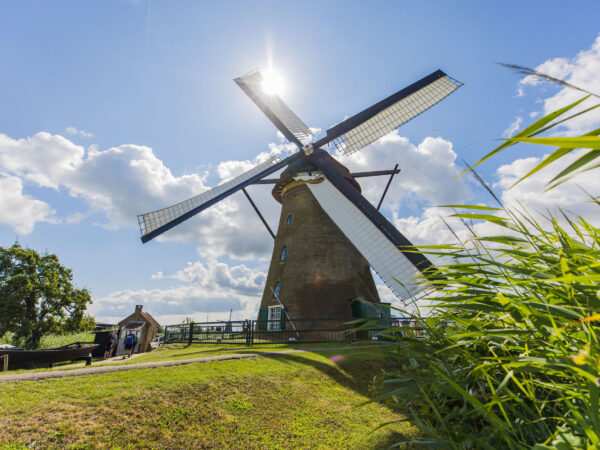
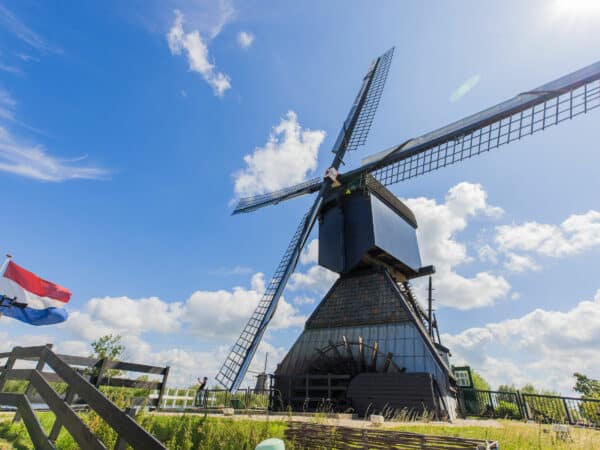
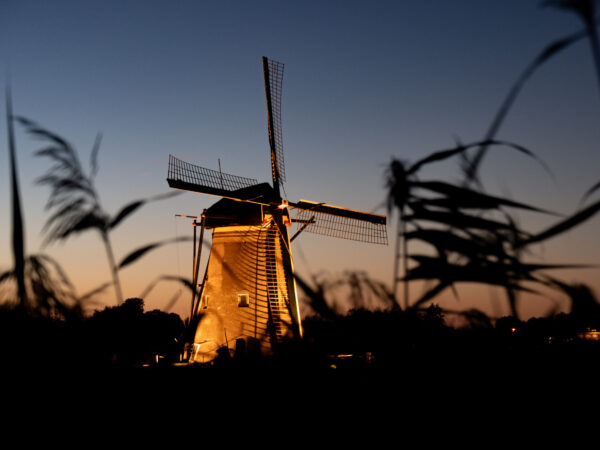
Kinderdijk is a complete water management system that has been operating for centuries. As early as the Middle Ages, people began building structures here to keep the land dry. What started with simple solutions gradually developed into the landscape you see today: polders, dikes, waterways, pumping stations, and nineteen windmills that all work together as one interconnected system.
This is exactly what makes Kinderdijk so special in UNESCO’s eyes. It shows how generations of people have learned to live with water and how their water management system continued to evolve without replacing what came before. The result is something you won’t find anywhere else in the world: a water management system that is remarkably complete, centuries old, and still functioning today.
What Does UNESCO World Heritage Mean?
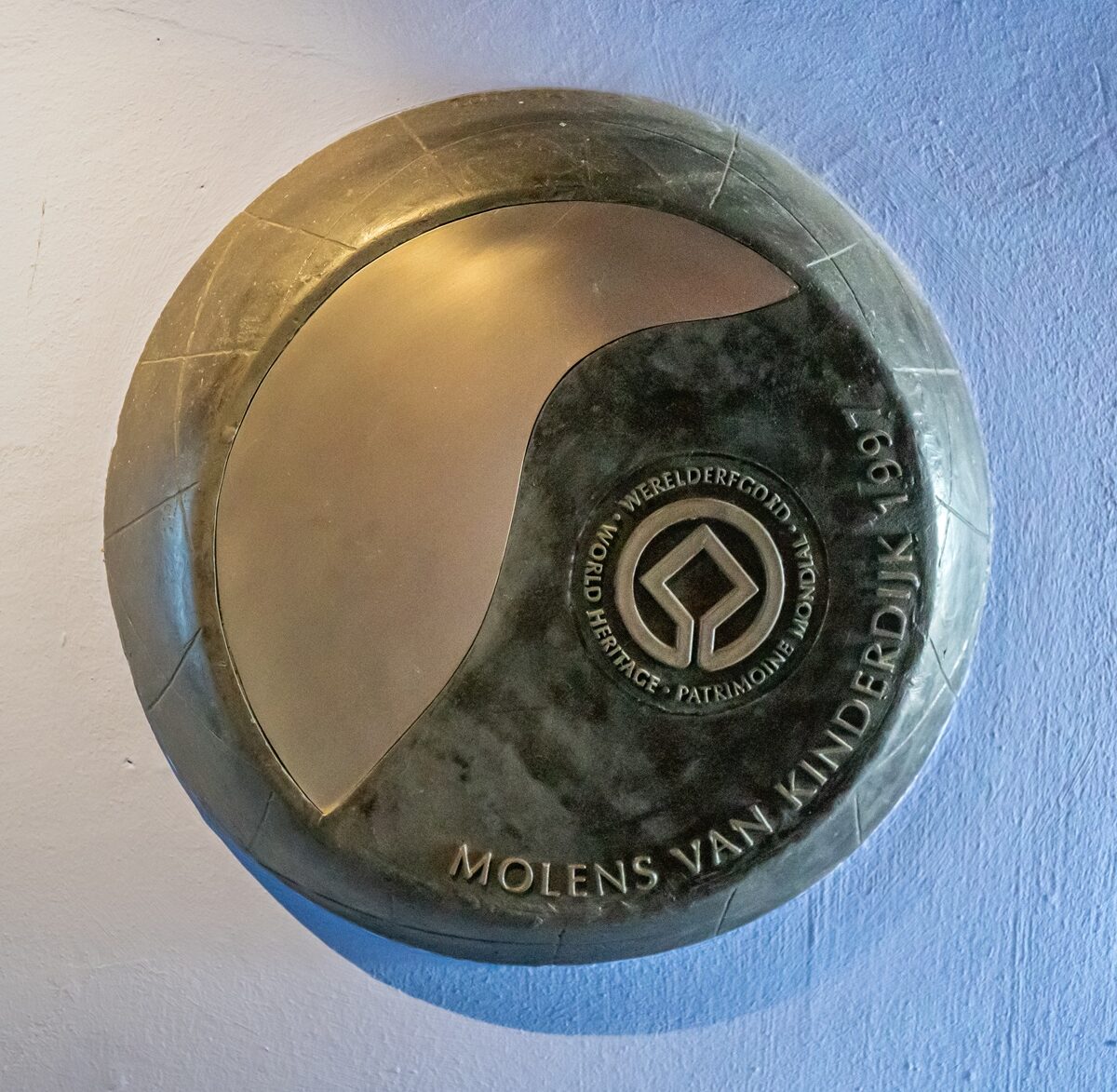
UNESCO is a United Nations organization that recognizes places of outstanding value to humanity. These can be natural areas or cultural sites like Kinderdijk. To earn a place on the World Heritage List, a site must be unique and tell an important story. Only a limited number of places in the Netherlands have received this special status, including the Wadden Sea, the Van Nelle Factory, the Dutch Water Defence Lines, and the Eise Eisinga Planetarium.
Centuries Old, Yet Always Evolving
What makes Kinderdijk so remarkable is just how far back its history goes. The first water management structures in this area date back to the Middle Ages. Generation after generation built on what was already there, adding new solutions whenever they were needed.
When the windmills could no longer manage the water on their own, pumping stations were introduced to help. First powered by steam and later by electricity, these stations worked alongside the windmills, which remained an essential part of the system. Even today, the windmills can still be put to work when needed. It’s precisely because Kinderdijk has continued to adapt over time that this remarkable system has survived.
What You Experience as a Visitor
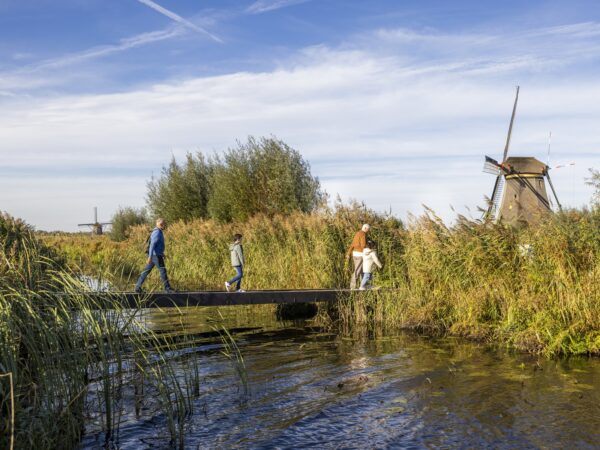
At Kinderdijk, the engineering of centuries past is still all around you. The windmills shape the landscape, while water continues to flow through the intricate network of waterways. Here, old and new exist side by side, working together in the very same place.
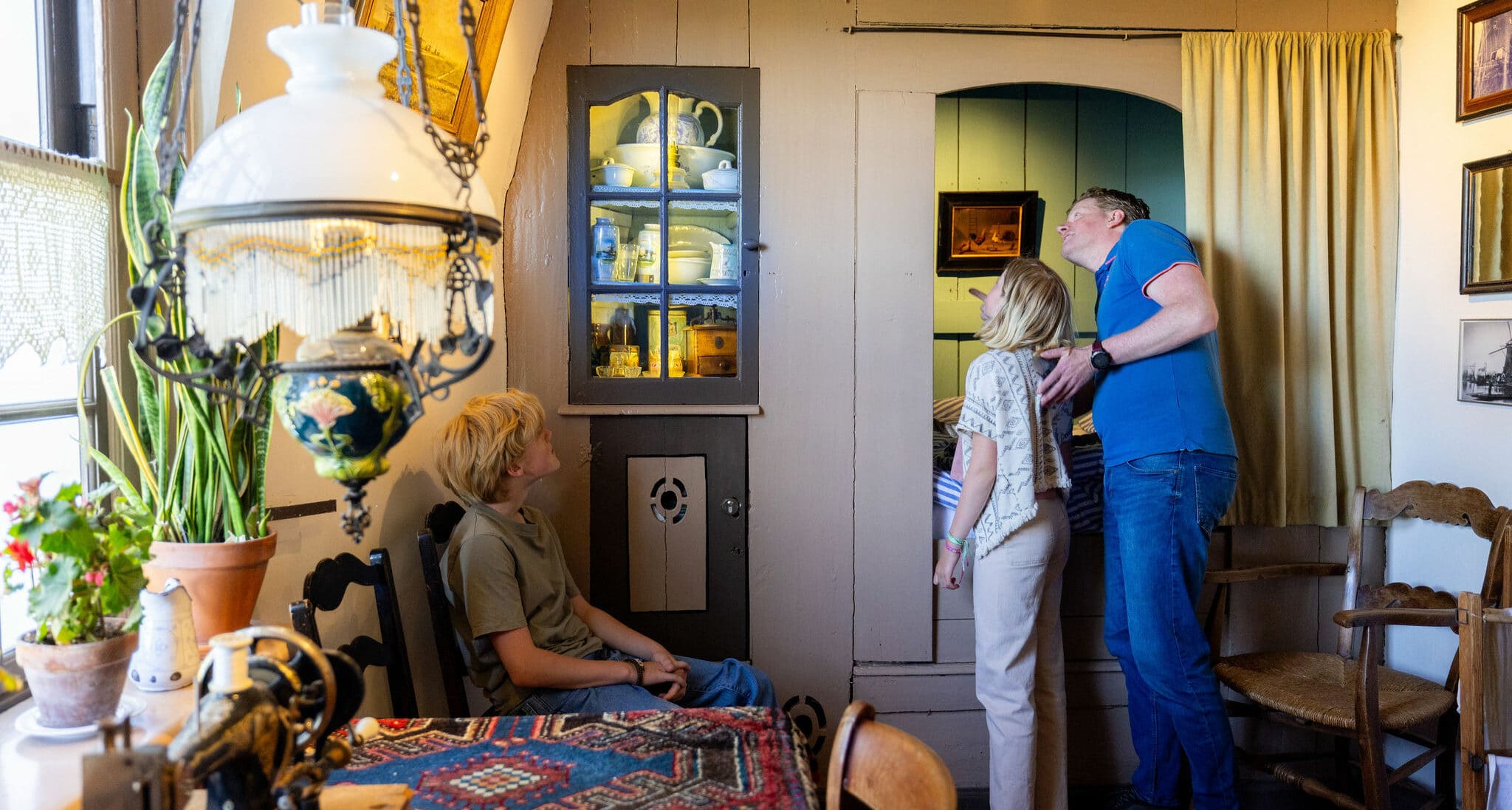
Step inside a windmill and discover how people once lived, while outside, water levels are still managed much as they have been for centuries. You’re not just looking at history. You’re experiencing a living system that continues to function today. That’s what makes Kinderdijk so special: a place where the past is still very much part of the present.
Come visit us and experience living heritage up close!
Written by